If you have any questions, you are always welcome to contact us. We'll get back to you as soon as possible, within 24 hours on weekdays.
-
Shipping Information
Use this text to answer questions in as much detail as possible for your customers.
-
Customer Support
Use this text to answer questions in as much detail as possible for your customers.
-
FAQ’s
Use this text to answer questions in as much detail as possible for your customers.
-
Contact Us
Use this text to answer questions in as much detail as possible for your customers.
Product specifications and features
Product Description
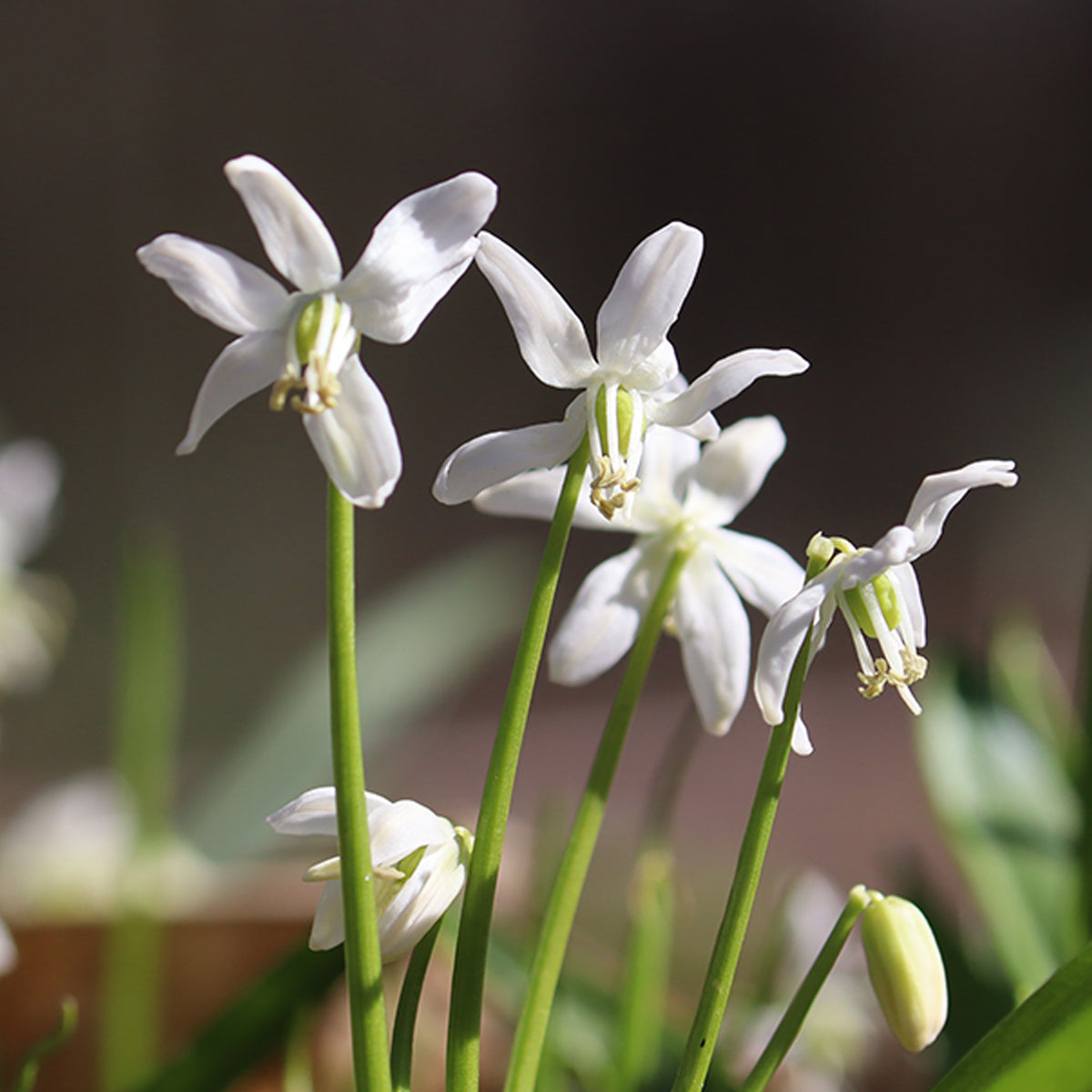
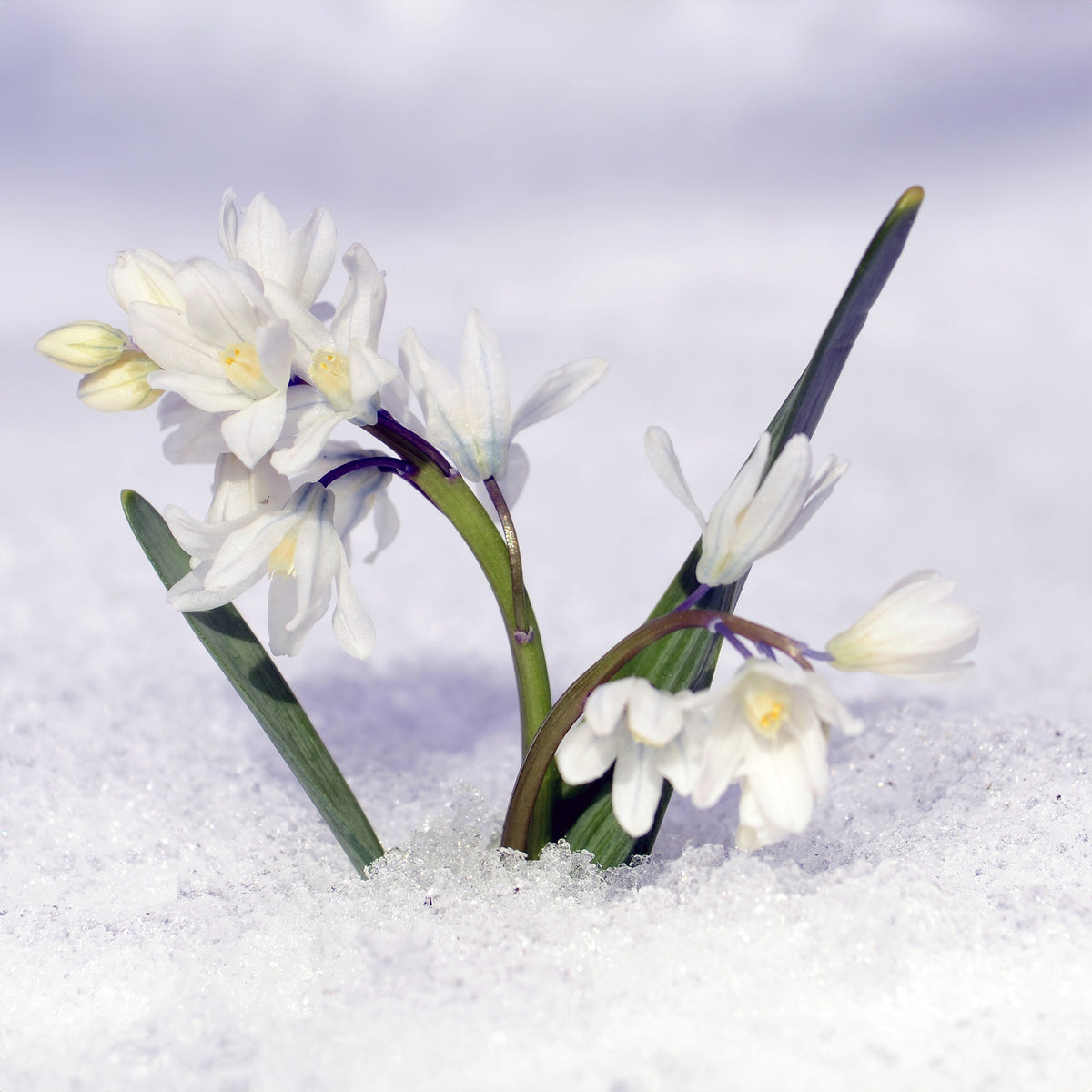
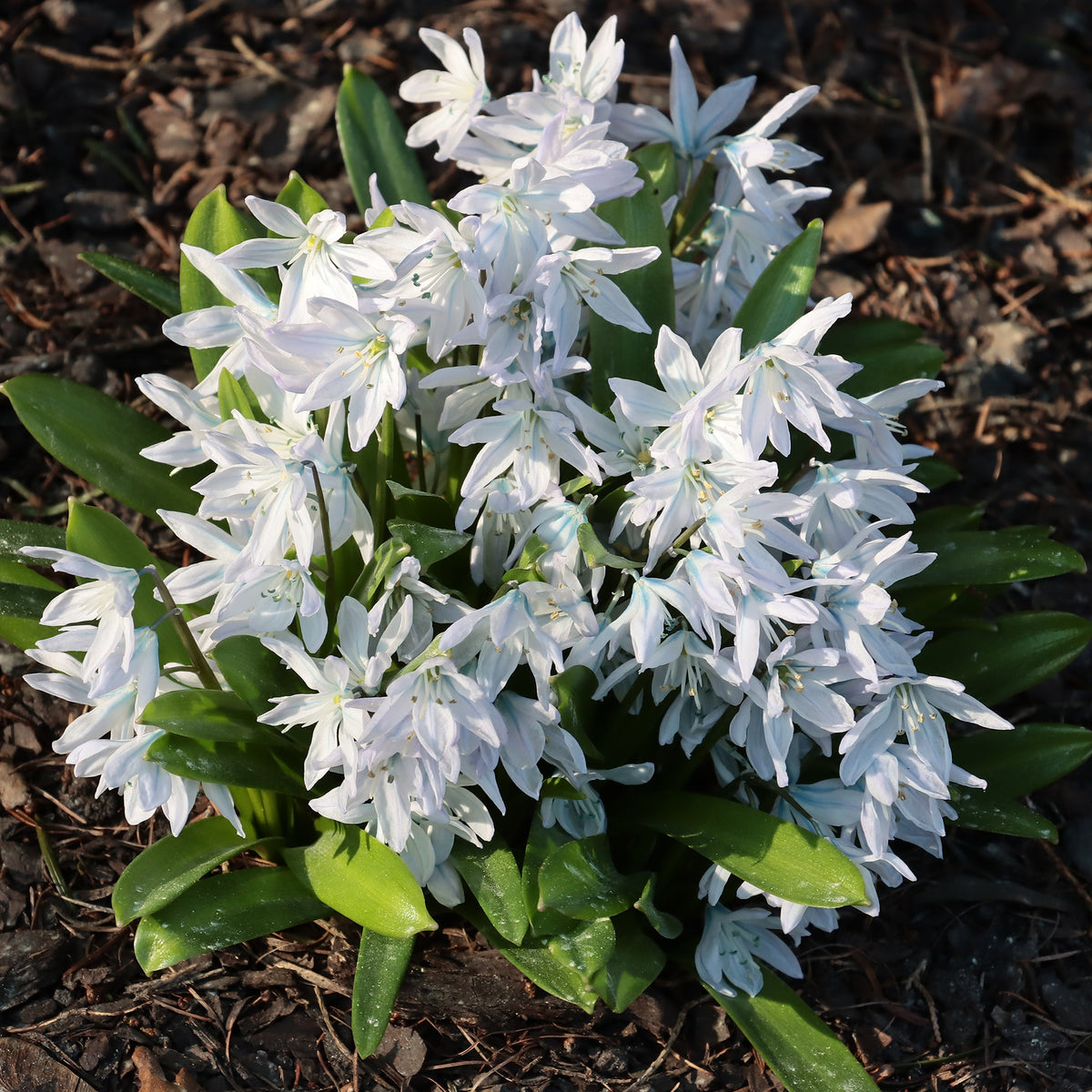
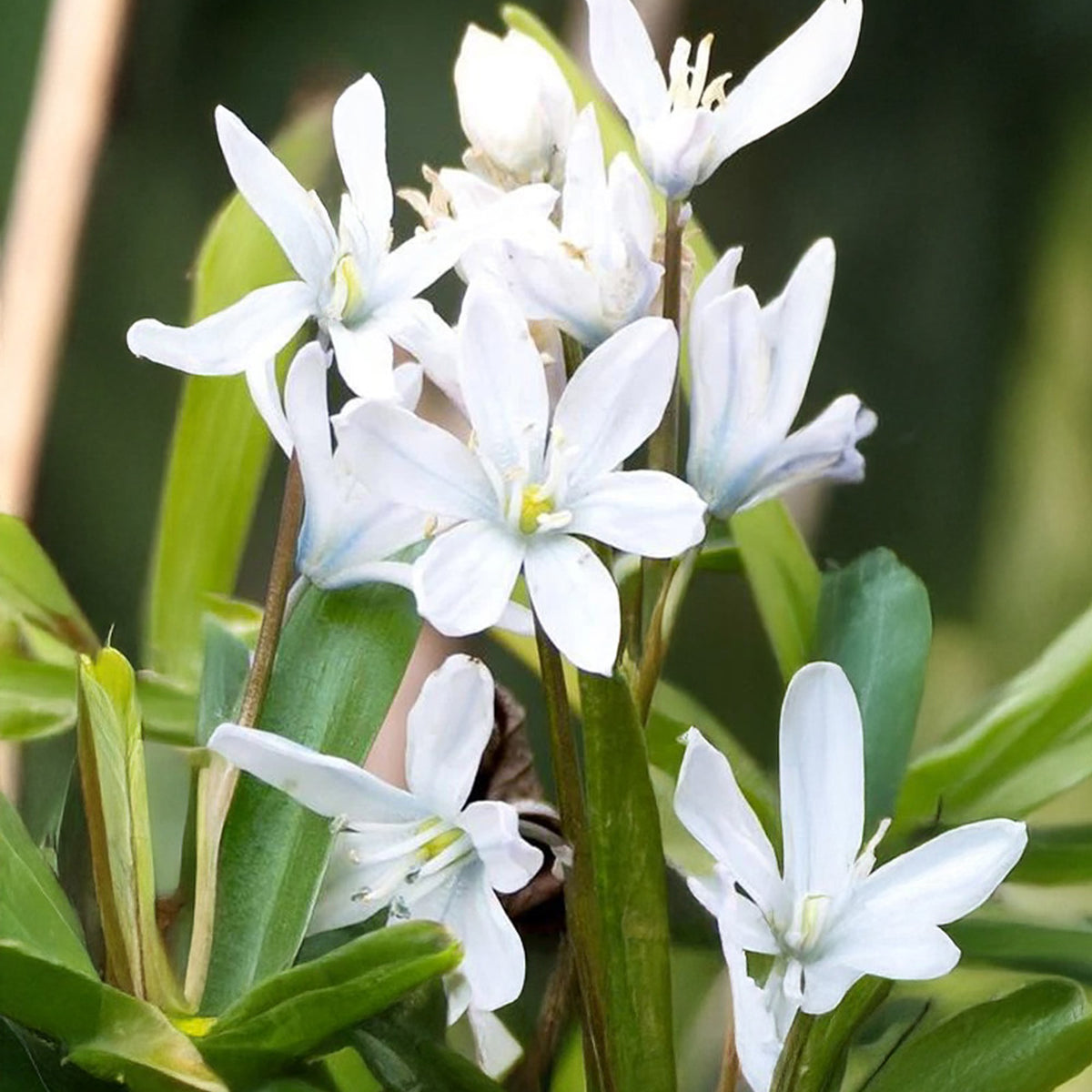
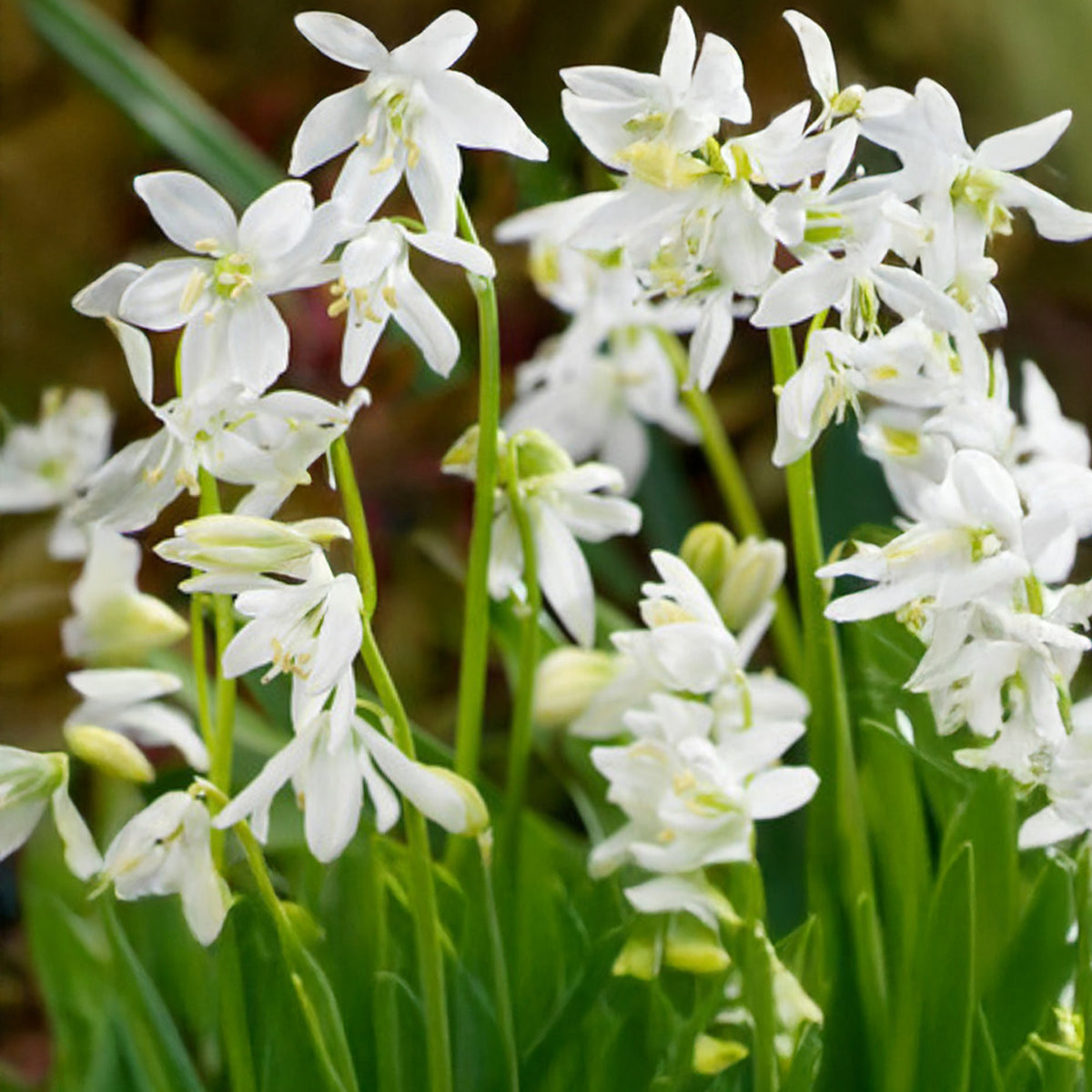
Scilla Siberica Alba (12 Bulbs)
Scilla Siberica Alba - 12 BulbsScilla Siberica 'Alba', also known as white Siberian squill, is a graceful spring-flowering bulb producing star-shaped white blooms often tinged with pale blue. Its dainty flowers and slender foliage make it ideal for rockeries, woodland edges, or naturalising under trees.
Planting Instructions:
When to plant: Autumn (September–November)Where to plant: Full sun or partial shade, in well-drained soilHow to plant: Plant bulbs 5–8cm deep and 5–8cm apartAftercare: Let the foliage die back naturally to nourish the bulb for the next season.
Pack contains: 12 Scilla siberica 'Alba' bulbs (bulb size: 6/7)
CAUTION: Ornamental bulbs are not edible and can be a skin irritant.
Specs & Details
- Established height
- 10-20cm
- Established spread
- 5-10cm
- Plant spacing
- 100 bulbs per m²
- Flower colour
- White
- Life cycle
- Perennial
- Habit
- Clumping
Features
-

Perfect for Pots
-

Perennial (Regrows)
-

Full Hardy


Plant Calendar
Jan
Feb
Mar
Apr
May
Jun
Jul
Aug
Sep
Oct
Nov
Dec
Plant
Harvest
FAQs
Please read our FAQs page to find out more.
Can I plant Scilla bulbs now in the UK?
Are Scilla bulbs the same as bluebells?
Where is the best place to plant Scilla bulbs?
Do Scilla bulbs spread in the garden?
What should I do with Scilla leaves after flowering?
Shop by
Category