



Oxalis corymbosa - Pink Wood Sorrel, Pond Edge & Border Plant
Free Next Day Delivery (Delivery Rules Apply)
4.8 Star Rating & Trusted by Over a Million Gardeners
Get in contact if you have any questions
The perfect pairings
Oxalis corymbosa - Pink Wood Sorrel, Pond Edge & Border Plant
If you have any questions, you are always welcome to contact us. We'll get back to you as soon as possible, within 24 hours on weekdays.
-
Shipping Information
Use this text to answer questions in as much detail as possible for your customers.
-
Customer Support
Use this text to answer questions in as much detail as possible for your customers.
-
FAQ’s
Use this text to answer questions in as much detail as possible for your customers.
-
Contact Us
Use this text to answer questions in as much detail as possible for your customers.
Product specifications and features
Product Description
Oxalis corymbosa - Pink Wood Sorrel, Pond Edge & Border Plant
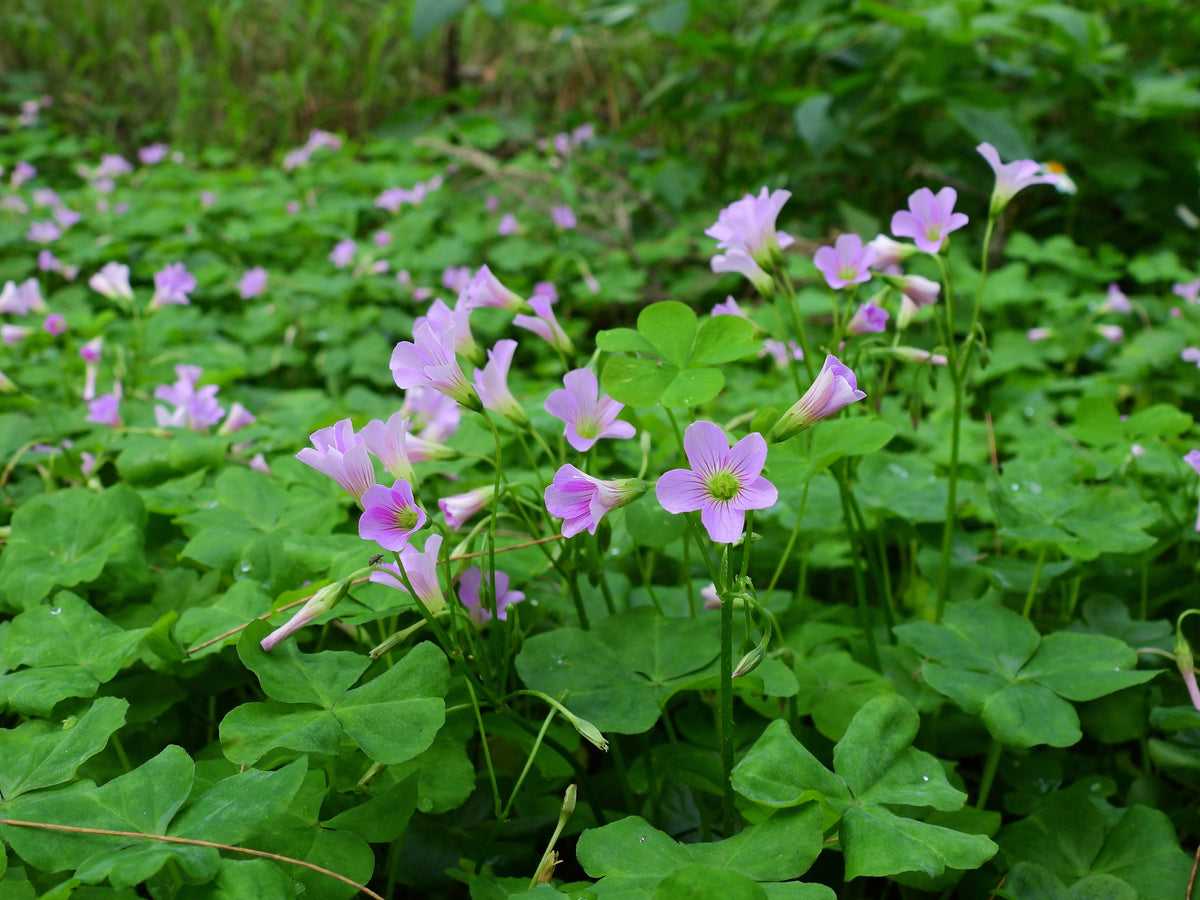
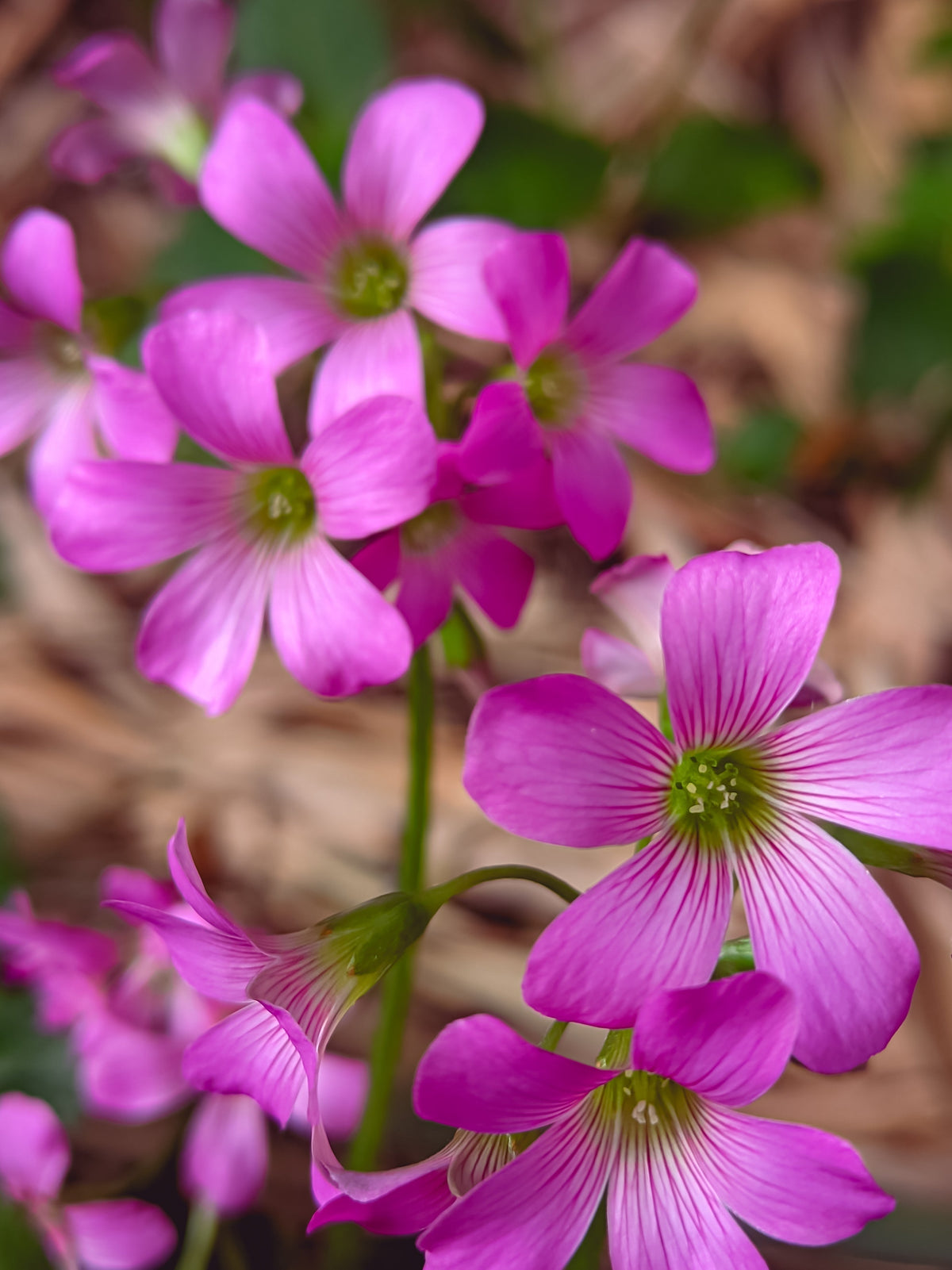
Oxalis corymbosa (now listed as Oxalis debilis), known as pink wood sorrel, is a small bulbous plant with clover-like leaves. From summer into early autumn it carries small clusters of pink flowers.
Pink wood sorrel at a glance
| Botanical name | Oxalis debilis (syn. Oxalis corymbosa) |
|---|---|
| Common name | Pink wood sorrel |
| Plant type | Small bulbous perennial with clover-like leaves |
| Height and spread | Up to about 20 cm tall |
| Flowers | Pink, in small clusters, June to September |
| Position | Full sun or part shade |
| Soil | Moist but well-drained soil |
| Pond depth | None – not a water or bog plant |
| Hardiness | RHS H4 – hardy in an average UK winter (-10 to -5°C) (rating for Oxalis debilis 'Aureoreticulata') |
| Native to | Not UK native |
Is pink wood sorrel a pond plant?
No. It is not a water or bog plant. It needs moist but well-drained soil, so grow it in a pot or a border, not in wet ground or water.
Will it spread in my garden?
Yes, and it is hard to remove. The RHS treats Oxalis debilis as a persistent garden weed. It spreads by tiny bulbils that break off easily, travel on tools, boots and soil, and stay alive in the ground for years. Weedkillers do not work well on it. The RHS advises growing it in a container, and you should not put it in a home compost heap.
Is it good for wildlife?
The RHS notes that the leaves shelter ground-living invertebrates and feed the caterpillars of the bright-line brown-eye moth.
Which size should I buy?
Bare-root plants (7 cm, 9 cm, 1 litre and 3 litre) arrive without a pot or compost and are the most economical way to plant a group. Potted plants (9 cm, 1 litre and 3 litre) arrive growing in our peat-free compost and give a faster display. Packs of 3 come in 7 cm, 9 cm, 1 litre and 3 litre bare-root sizes and cost less per plant. The 2x Pot & Compost option is two plants supplied with pots and compost.