



If you have any questions, you are always welcome to contact us. We'll get back to you as soon as possible, within 24 hours on weekdays.
-
Shipping Information
Use this text to answer questions in as much detail as possible for your customers.
-
Customer Support
Use this text to answer questions in as much detail as possible for your customers.
-
FAQ’s
Use this text to answer questions in as much detail as possible for your customers.
-
Contact Us
Use this text to answer questions in as much detail as possible for your customers.
Product specifications and features
Product Description
Double Mixed Tulip (12 bulbs)
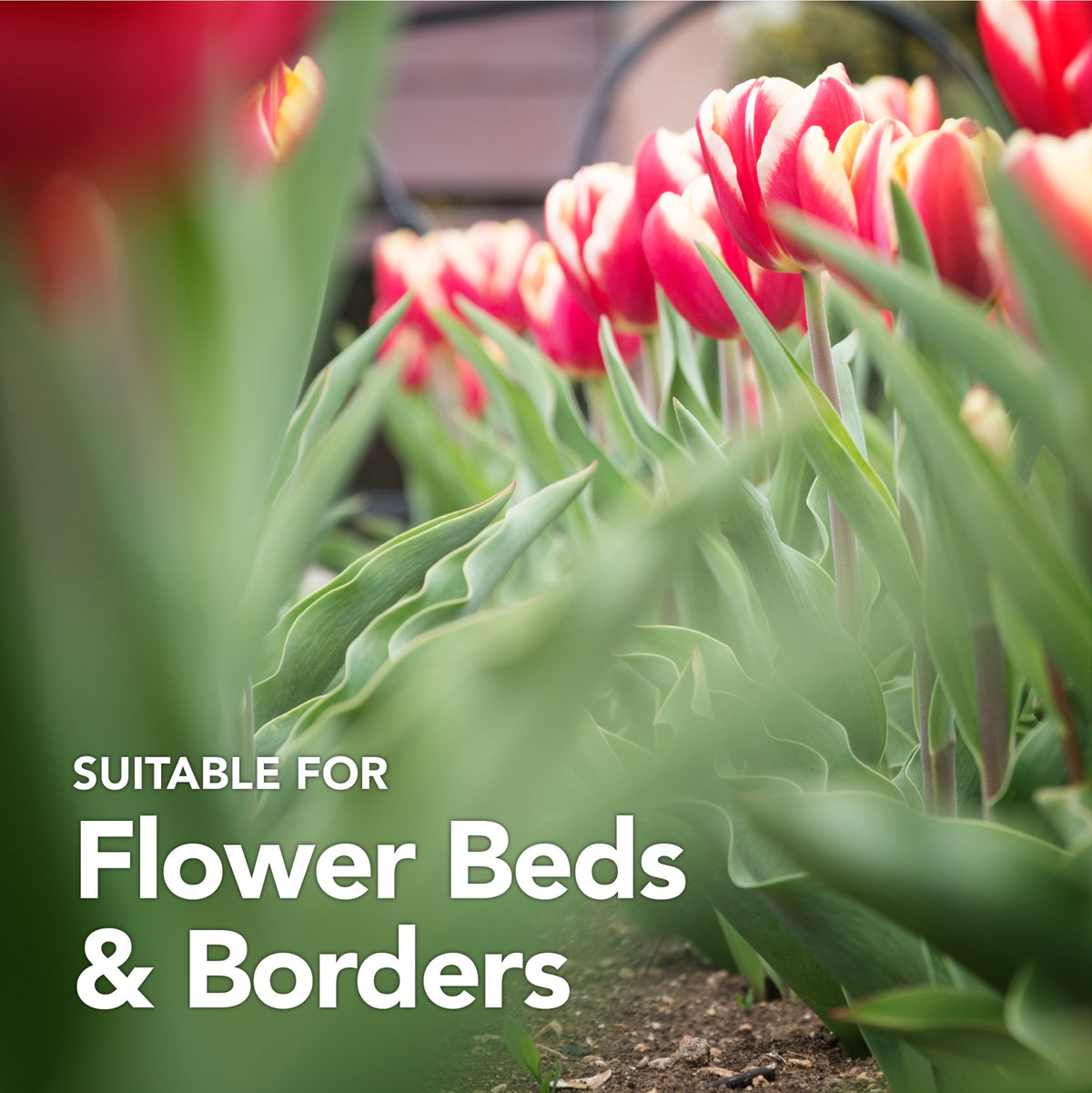
Jamieson Brothers Double Mixed Tulips (12 bulbs) Working alongside our suppliers we have brought you the best available bulbs for your gardening enjoyment. These double mixed tulip bulbs will be perfect situated in beds, borders and containers around your garden. Once established, they'll add a riot of colour. Plant August - December. As with most plants, giving your tulips a good start at planting time will give you the best display. If your soil is compacted break it up with a garden fork and work in plenty of organic matter such as well-rotted manure or compost. Tulips like free draining soil which is slightly acidic. Choose a sunny or semi-shaded spot which receives at least 3 hours of sun per day; tulips won't flower in heavy shade. Tall varieties should be protected from strong winds. If flowering is poor you can top-dress the soil around your tulips with a slow-release bulb fertiliser each spring. Simply sprinkle the fertiliser around the soil at the base of the leaves. Plant your tulip bulbs with the pointed end facing upwards at a depth of about 15cm (6in). Deep planting is important to prevent the bulbs dividing and producing lots of small bulbs which won't flower. Space them about two bulb-widths apart. CAUTION: Ornamental bulbs are not edible and can be a skin irritant.
Specs & Details
- Established height
- 45-60cm
- Established spread
- 10-15cm
- Plant spacing
- 60 bulbs per m²
- Life cycle
- Perennial
- Habit
- Upright
Features
-

Perfect for Pots
-

Perennial (Regrows)
-

Thrives Full Sun
-

Full Hardy


Plant Calendar
Jan
Feb
Mar
Apr
May
Jun
Jul
Aug
Sep
Oct
Nov
Dec
Plant
Harvest
FAQs
Please read our FAQs page to find out more.
Can I plant daffodil bulbs now in the UK?
Why have my daffodil bulbs not grown or flowered?
Are small, dry or slightly smelly daffodil bulbs still okay to plant?
Will my daffodils flower in the colour shown on the product page?
Do daffodil bulbs come back every year?
Shop by
Category