

If you have any questions, you are always welcome to contact us. We'll get back to you as soon as possible, within 24 hours on weekdays.
-
Shipping Information
Use this text to answer questions in as much detail as possible for your customers.
-
Customer Support
Use this text to answer questions in as much detail as possible for your customers.
-
FAQ’s
Use this text to answer questions in as much detail as possible for your customers.
-
Contact Us
Use this text to answer questions in as much detail as possible for your customers.
Product specifications and features
Product Description
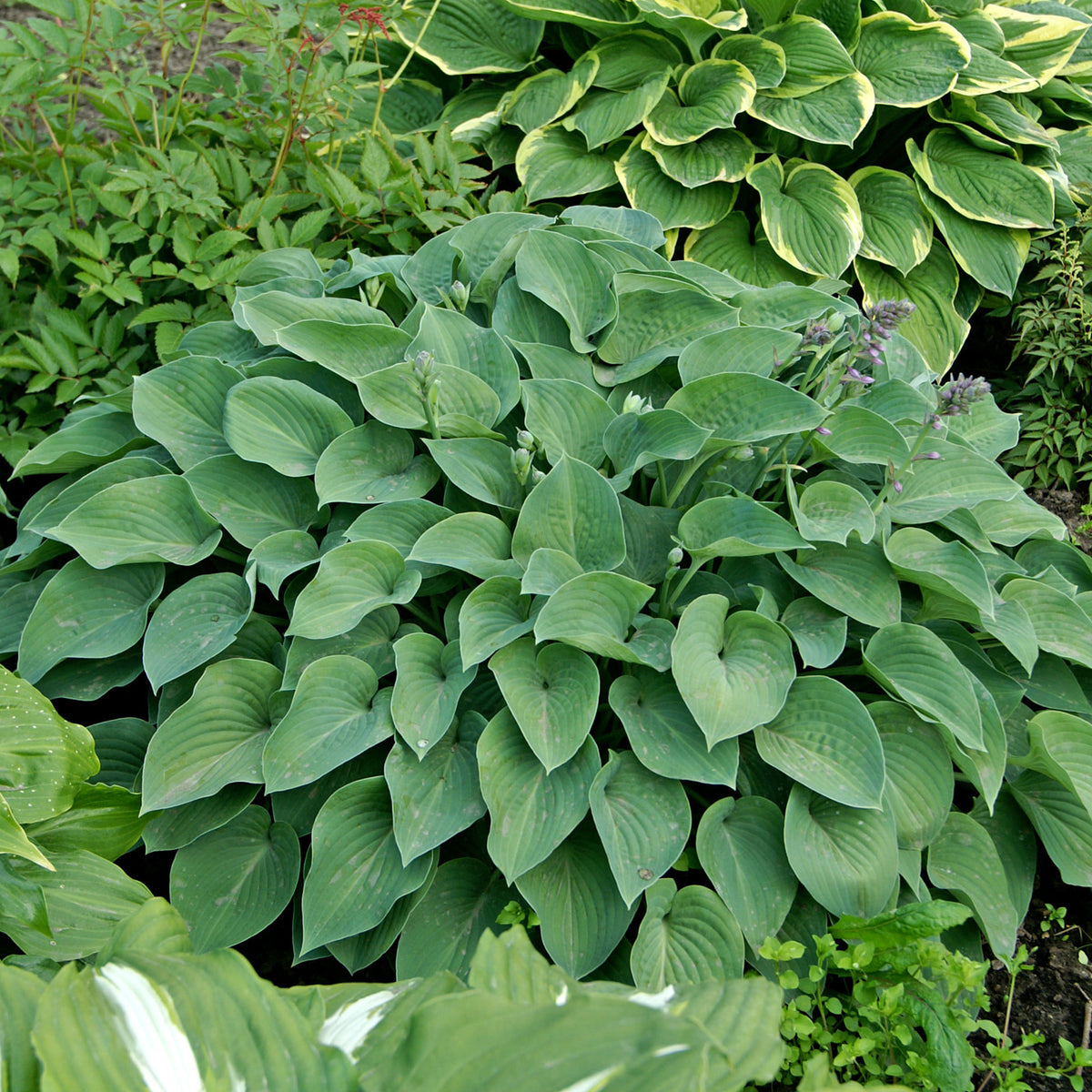
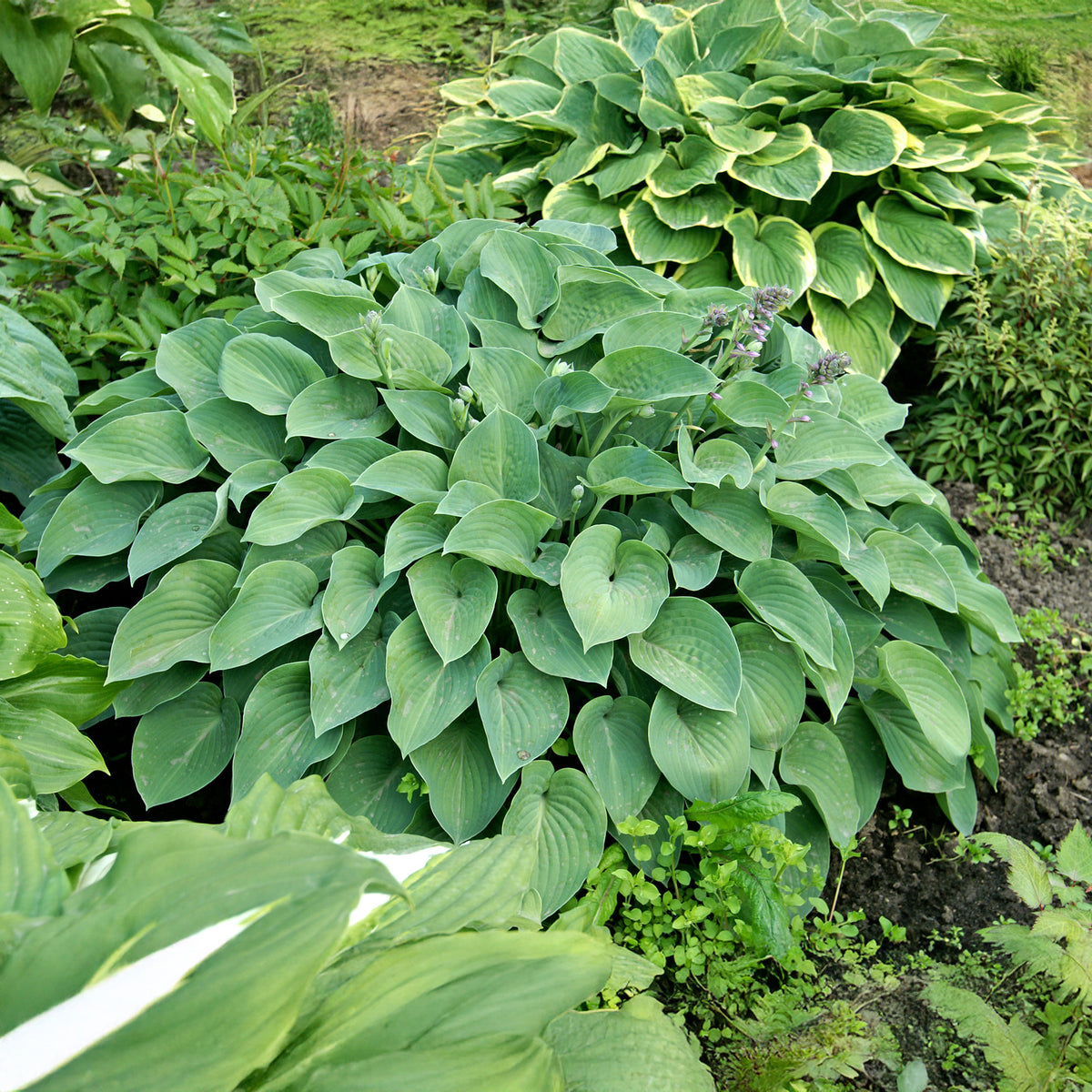
Hosta Blue Cadet (1 Bulb)
Hosta 'Blue Cadet' is an award-winning plantain lily featuring small, textured, heart-shaped, blue-green leaves. It produces small lavender flowers in mid-summer. Growing to about 1.5 feet tall and 2.5 feet wide, it is widely used as an attractive ground cover or border edging in shade gardens. The bulbs are grown by top Dutch and British growers to the highest standards and packed in Scotland by Jamieson Brothers.
Specs & Details
- Established height
- 30-60cm
- Established spread
- 30-60cm
- Plant spacing
- 9 bulbs per m²
- Flower colour
- Purple
- Life cycle
- Perennial
- Habit
- Clump-forming
Features
-

Perennial (Regrows)
-

Full Hardy


Plant Calendar
Jan
Feb
Mar
Apr
May
Jun
Jul
Aug
Sep
Oct
Nov
Dec
Plant
Harvest
FAQs
Please read our FAQs page to find out more.
Where is the best place to grow Hostas?
Why are my Hosta leaves turning brown?
What is eating holes in my Hosta leaves?
Can I grow Hostas in pots?
Do Hostas come back every year?
Shop by
Category