Epipactis palustris - Marsh Helleborine, Native Orchid for Bog Gardens
Free Next Day Delivery (Delivery Rules Apply)
4.8 Star Rating & Trusted by Over a Million Gardeners
Get in contact if you have any questions
The perfect pairings
Epipactis palustris - Marsh Helleborine, Native Orchid for Bog Gardens
If you have any questions, you are always welcome to contact us. We'll get back to you as soon as possible, within 24 hours on weekdays.
-
Shipping Information
Use this text to answer questions in as much detail as possible for your customers.
-
Customer Support
Use this text to answer questions in as much detail as possible for your customers.
-
FAQ’s
Use this text to answer questions in as much detail as possible for your customers.
-
Contact Us
Use this text to answer questions in as much detail as possible for your customers.
Product specifications and features
Product Description
Epipactis palustris - Marsh Helleborine, Native Orchid for Bog Gardens
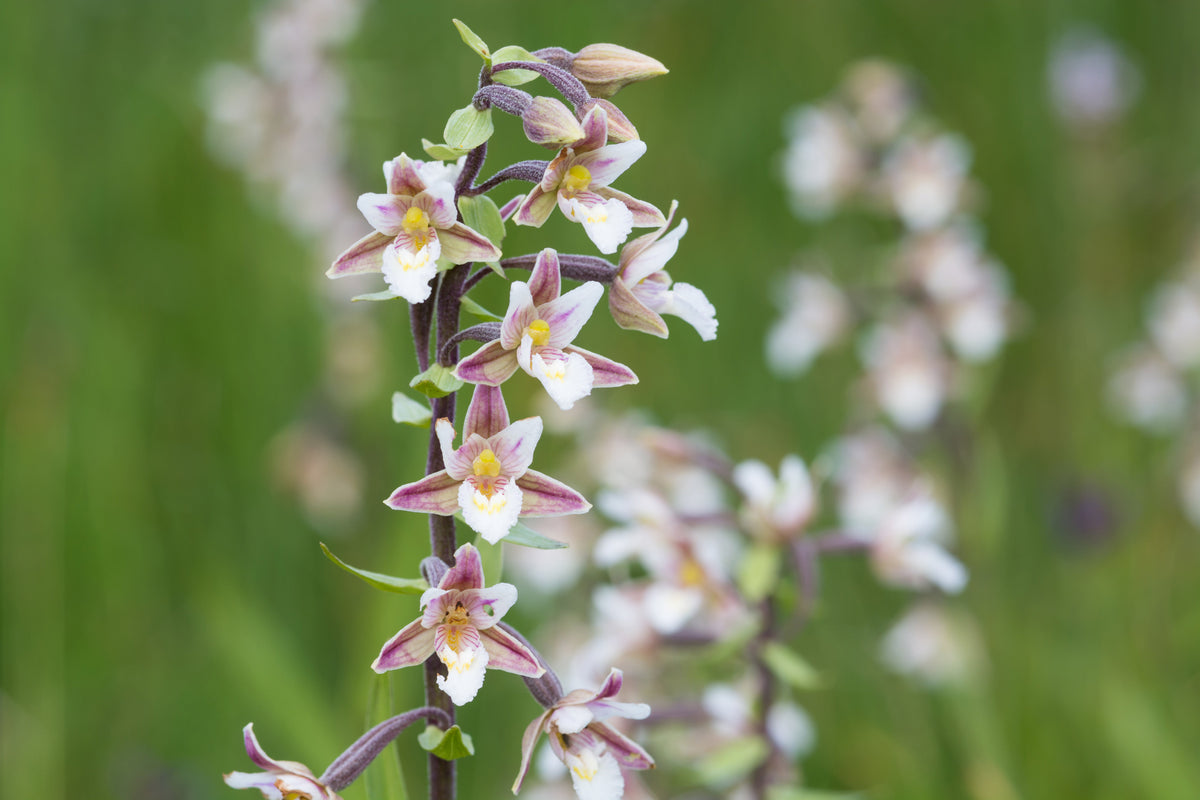
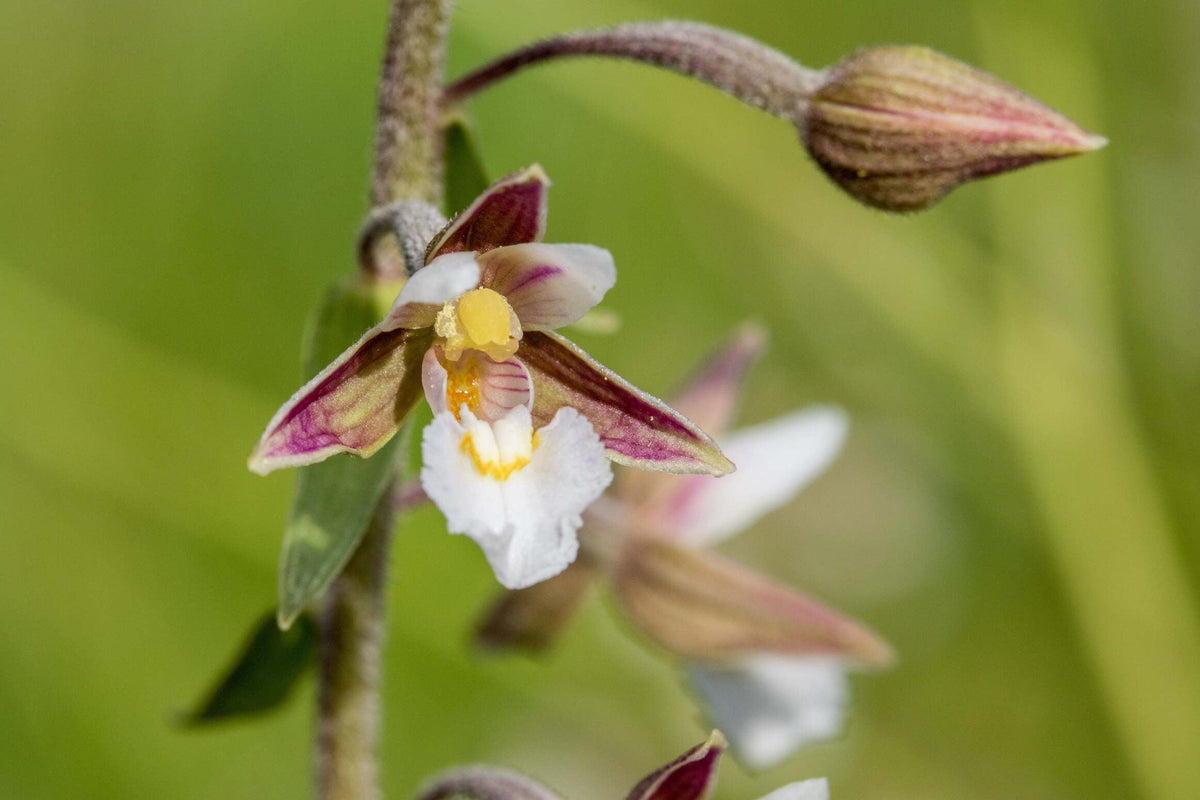
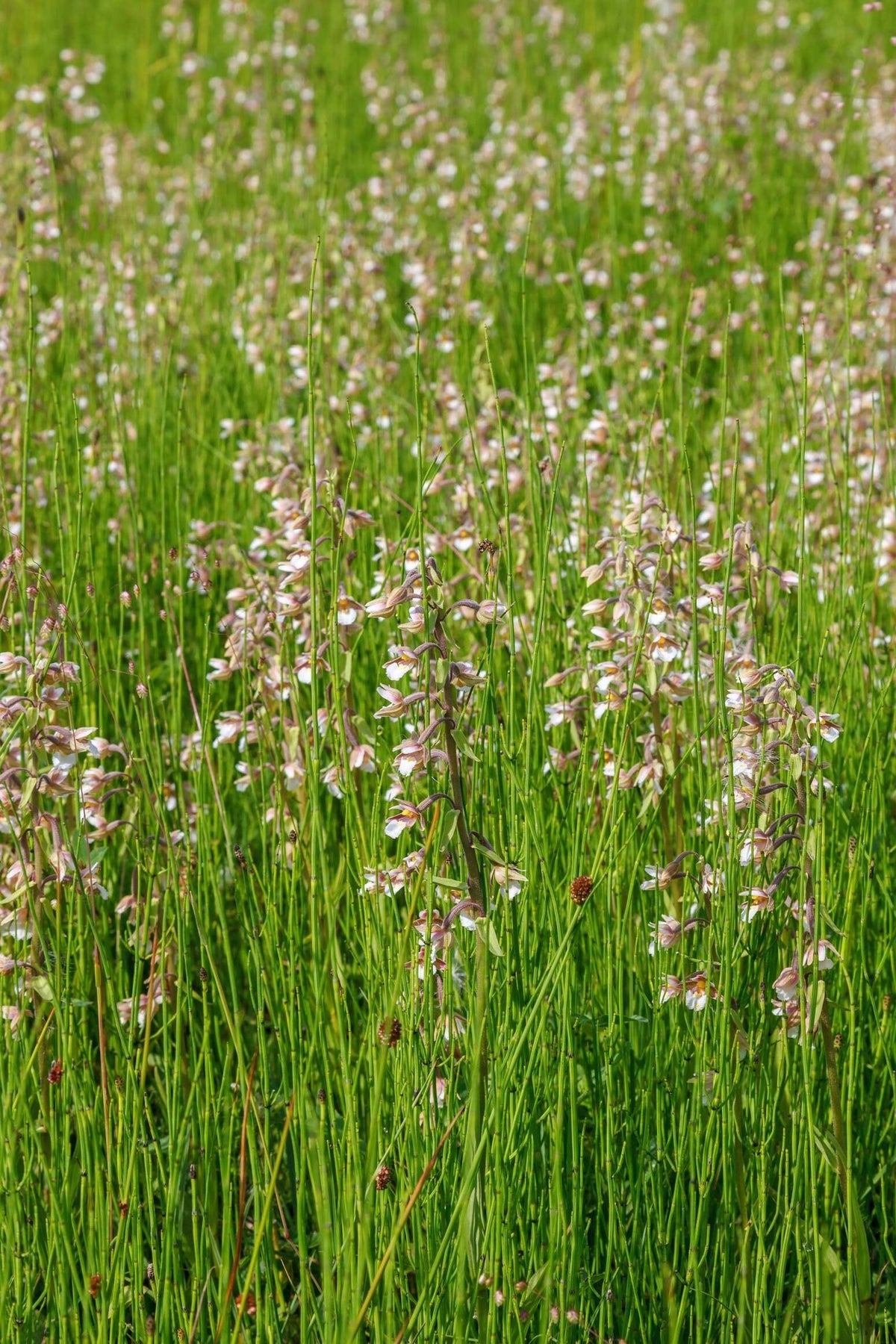
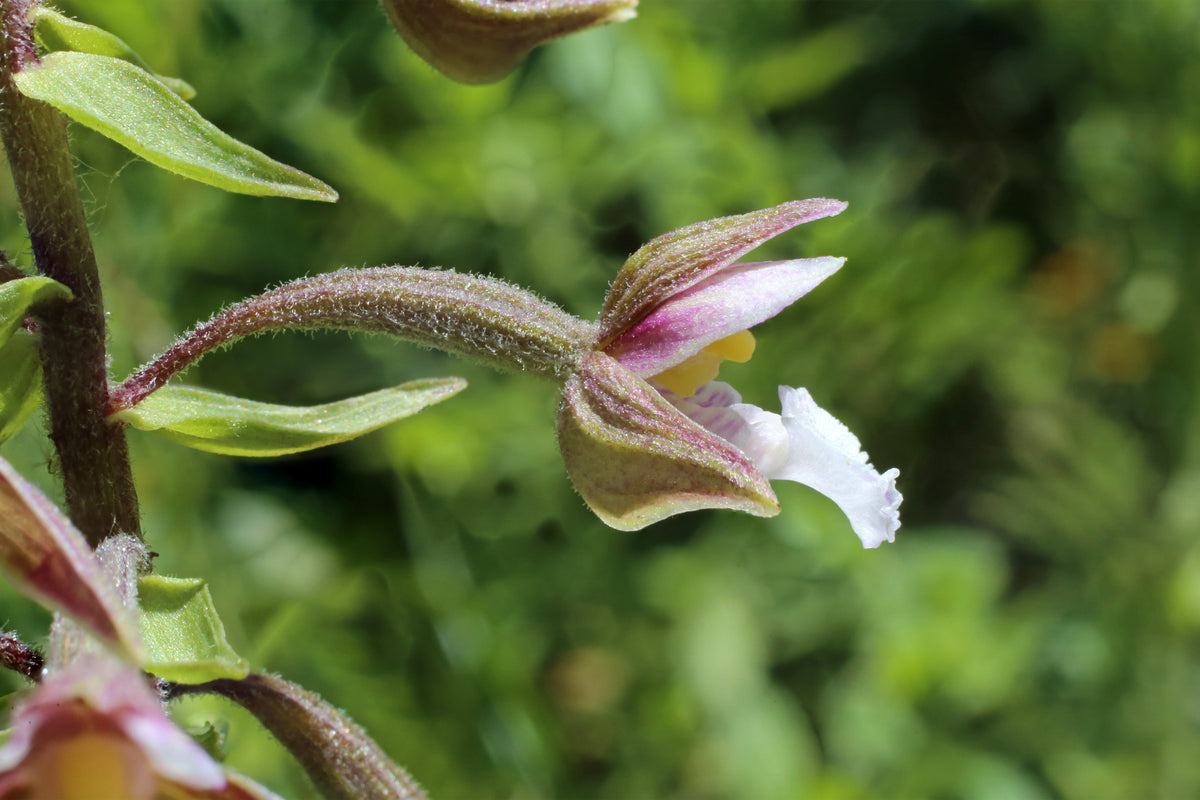
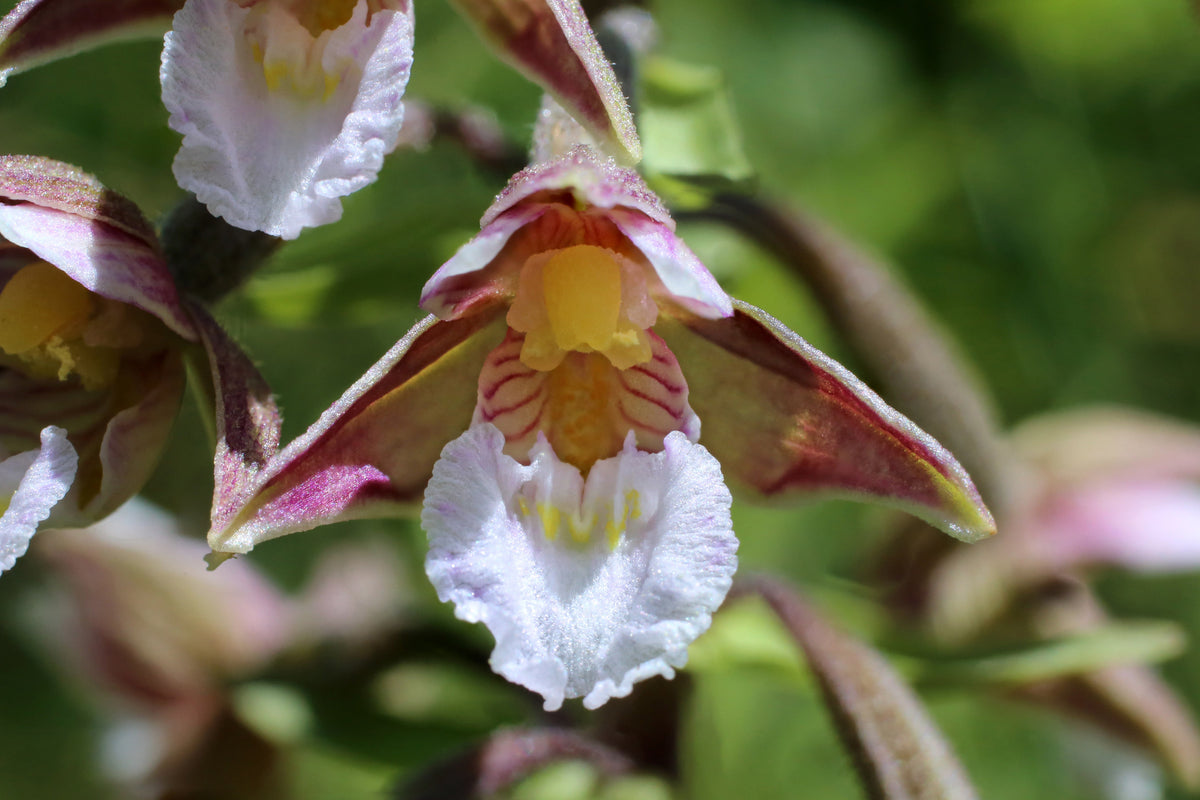
Epipactis palustris, known as marsh helleborine, is a UK native orchid of fens and damp meadows. From June to August it produces spikes of up to 20 flowers, each with purplish-brown sepals and a frilly white lip veined with purple.
Marsh helleborine at a glance
| Botanical name | Epipactis palustris |
|---|---|
| Common name | Marsh helleborine |
| Plant type | Hardy terrestrial orchid; dies back in winter |
| Height and spread | 30–50 cm tall, 30–50 cm wide |
| Flowers | Up to 20 per spike; purplish-brown with a frilly white lip, June to August |
| Position | Full sun or light shade |
| Soil | Constantly damp; happy on chalky, lime-rich soil |
| Pond depth | None – crown at soil level in damp ground |
| Hardiness | Fully hardy (no RHS H-rating published) |
| Native to | UK and Ireland (native wild orchid) |
Is marsh helleborine a pond plant?
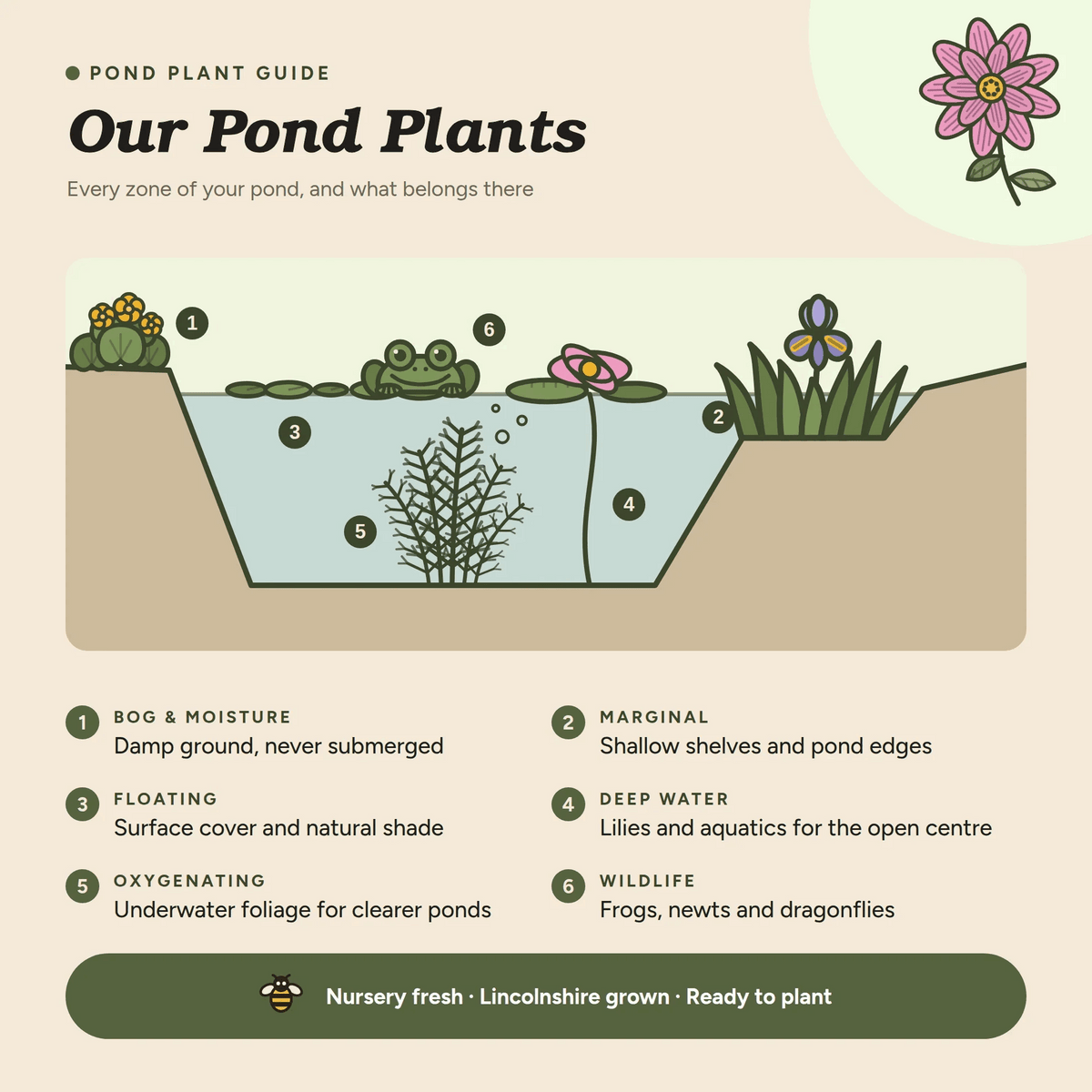
It is a bog plant, not a water plant. Plant it with the crown at soil level in ground that stays damp all year, such as a bog garden or the wet bank beside a pond. Do not stand it in water.
Where to plant marsh helleborine
- Bog gardens and damp borders
- The wet bank of a wildlife pond
- Damp, chalky or lime-rich soil
How to plant and care for it
Plant in spring at the same depth as in the pot, and keep the soil moist at all times. It spreads slowly by rhizomes to form a colony, so avoid disturbing the roots once it is established.
Is it legal to grow a wild orchid?
Yes, when bought from a nursery. Never dig plants from the wild: it is illegal anywhere in the UK to uproot a wild plant without the landowner's permission, and marsh helleborine is specially protected in Northern Ireland.
Which size should I buy?
Potted plants (9 cm, 1 litre and 3 litre) arrive growing in our peat-free compost and give a faster display. Packs of 3 cost less per plant.