

If you have any questions, you are always welcome to contact us. We'll get back to you as soon as possible, within 24 hours on weekdays.
-
Shipping Information
Use this text to answer questions in as much detail as possible for your customers.
-
Customer Support
Use this text to answer questions in as much detail as possible for your customers.
-
FAQ’s
Use this text to answer questions in as much detail as possible for your customers.
-
Contact Us
Use this text to answer questions in as much detail as possible for your customers.
Product specifications and features
Product Description
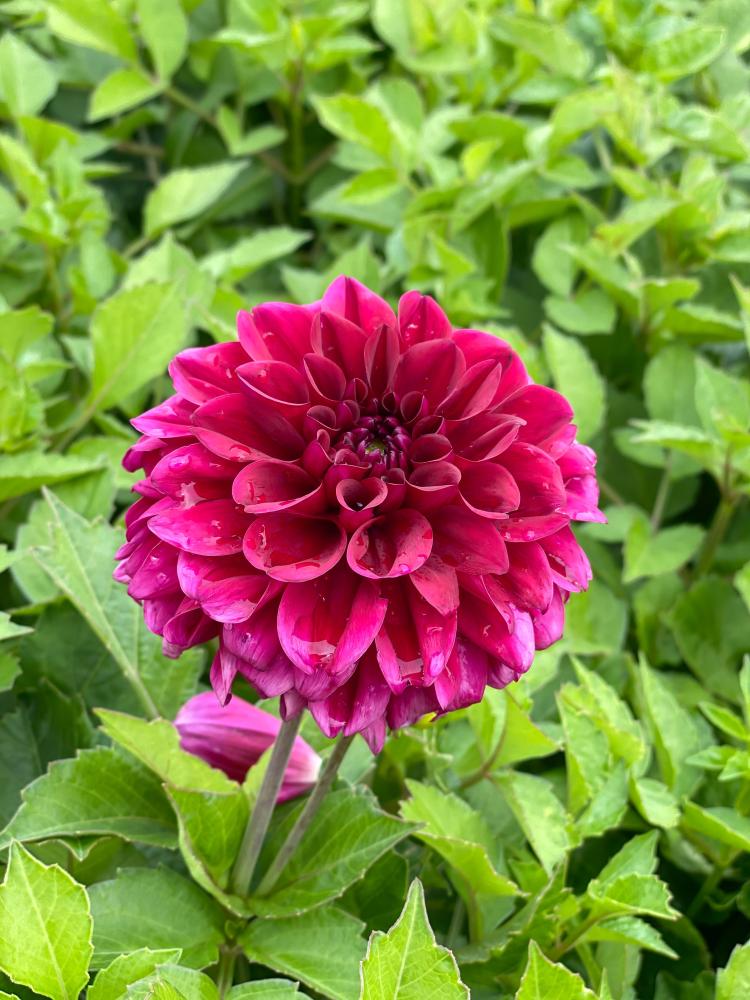
Dahlia Decorative 'Go Go Purple'
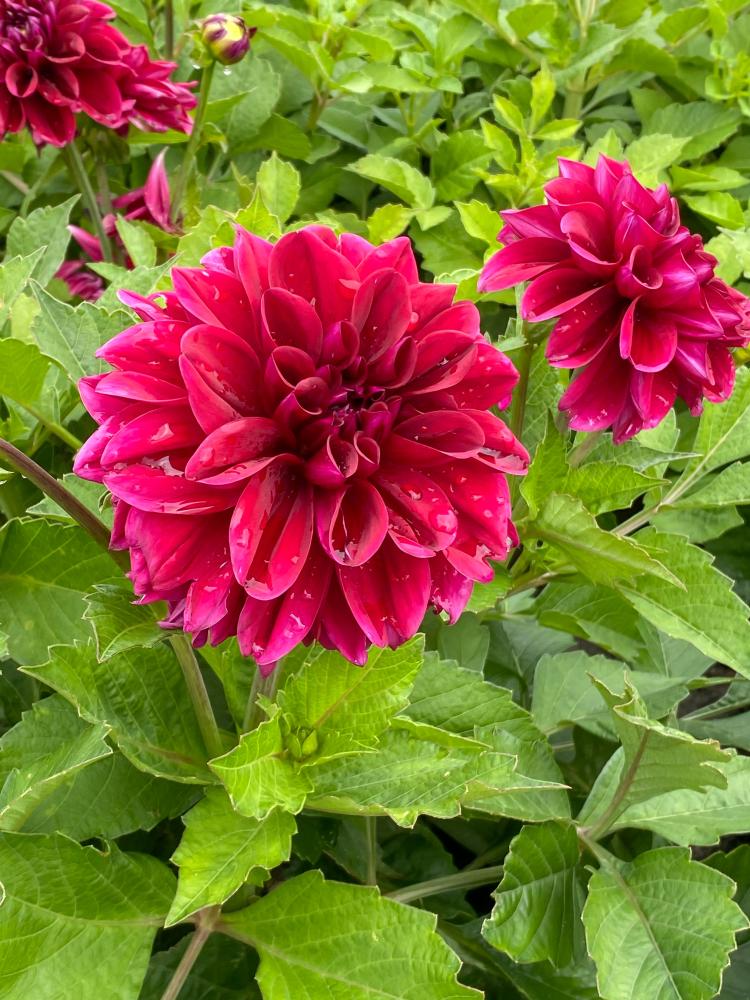
Dahlia Decorative 'Go Go Purple' Bulb Dahlia 'Go Go Purple' is a vibrant, compact dahlia variety known for its deep purple blooms that add a bold splash of colour to any garden. With a sturdy, bushy habit and a long flowering period from midsummer until the first frost, 'Go Go Purple' is perfect for borders, beds, and containers. This dahlia is ideal for gardeners looking to add intense colour and attract pollinators like bees and butterflies. Its striking blooms also make lovely cut flowers, adding a pop of dramatic purple indoors. Hardy in the UK with proper care, 'Go Go Purple' is easy to grow and a fantastic addition to any garden setting.
The blooms of Dahlia 'Go Go Purple' are rich, velvety purple, creating a luxurious and eye-catching display. Each flower head measures around 10-15cm in diameter, with semi-double, rounded petals that form a full, lush shape. The intense purple colour stands out beautifully against the green foliage, providing a stunning contrast and bringing depth to garden displays. The flowers are both durable and prolific, making this dahlia a reliable choice for summer and autumn displays.
How to Grow
Planting: Plant 'Go Go Purple' dahlia tubers in spring after the last frost, in a sunny location with well-drained, fertile soil. Position the tubers about 10-15cm deep, with the “eye” or growth point facing upwards, and space them around 30-45cm apart for a dense and colourful display.
Watering: Water the tubers thoroughly after planting to help them establish. Once shoots appear, keep the soil consistently moist but avoid waterlogging. During dry spells, water deeply once or twice a week to support strong growth and blooming.
Feeding: Feed with a high-potassium fertiliser, such as tomato feed, every two weeks from the start of flowering to encourage vibrant, long-lasting blooms and healthy foliage.
Staking: Although 'Go Go Purple' is a compact variety, it may still benefit from light staking, especially in windy areas. Insert small stakes at planting time to support the blooms as they grow and prevent bending.
Deadheading and Maintenance: Regularly deadhead spent flowers to promote continuous blooming and maintain a tidy appearance. After the first frost, cut back the foliage and either lift and store the tubers or cover them with mulch if leaving them in the ground over winter.
Overwintering: In colder regions of the UK, lift and store the tubers after the first frost. Allow them to dry, then store them in a cool, frost-free place in slightly damp compost until replanting in spring. In milder areas, you can leave the tubers in the ground with a layer of mulch for winter protection.
With its rich purple blooms and low-maintenance care requirements, Dahlia 'Go Go Purple' adds vibrant colour and charm to UK gardens. Perfect for both garden displays and indoor flower arrangements, this compact dahlia provides long-lasting beauty from summer through to autumn, making it a must-have for any colourful garden display.
Pack contains 1 bulb
Specs & Details
- Established height
- 90-120cm
- Established spread
- 30-60cm
- Plant spacing
- 6 bulbs per m²
- Flower colour
- Purple
- Life cycle
- Annual
- Habit
- Bushy
Features
-

Thrives Full Sun

Plant Calendar
Jan
Feb
Mar
Apr
May
Jun
Jul
Aug
Sep
Oct
Nov
Dec
Plant
Harvest
FAQs
Please read our FAQs page to find out more.
When can I plant dahlia tubers in the UK?
Why have my dahlia tubers not sprouted or grown?
Are dry or broken dahlia tubers still okay to plant?
Will my dahlias flower in the colour shown on the product page?
Are dahlias hardy, and will they come back next year?
Shop by
Category