
Carex acutiformis - Lesser Pond Sedge, Native Pond Marginal Plant
Free Next Day Delivery (Delivery Rules Apply)
4.8 Star Rating & Trusted by Over a Million Gardeners
Get in contact if you have any questions
The perfect pairings
Carex acutiformis - Lesser Pond Sedge, Native Pond Marginal Plant
If you have any questions, you are always welcome to contact us. We'll get back to you as soon as possible, within 24 hours on weekdays.
-
Shipping Information
Use this text to answer questions in as much detail as possible for your customers.
-
Customer Support
Use this text to answer questions in as much detail as possible for your customers.
-
FAQ’s
Use this text to answer questions in as much detail as possible for your customers.
-
Contact Us
Use this text to answer questions in as much detail as possible for your customers.
Product specifications and features
Product Description
Carex acutiformis - Lesser Pond Sedge, Native Pond Marginal Plant
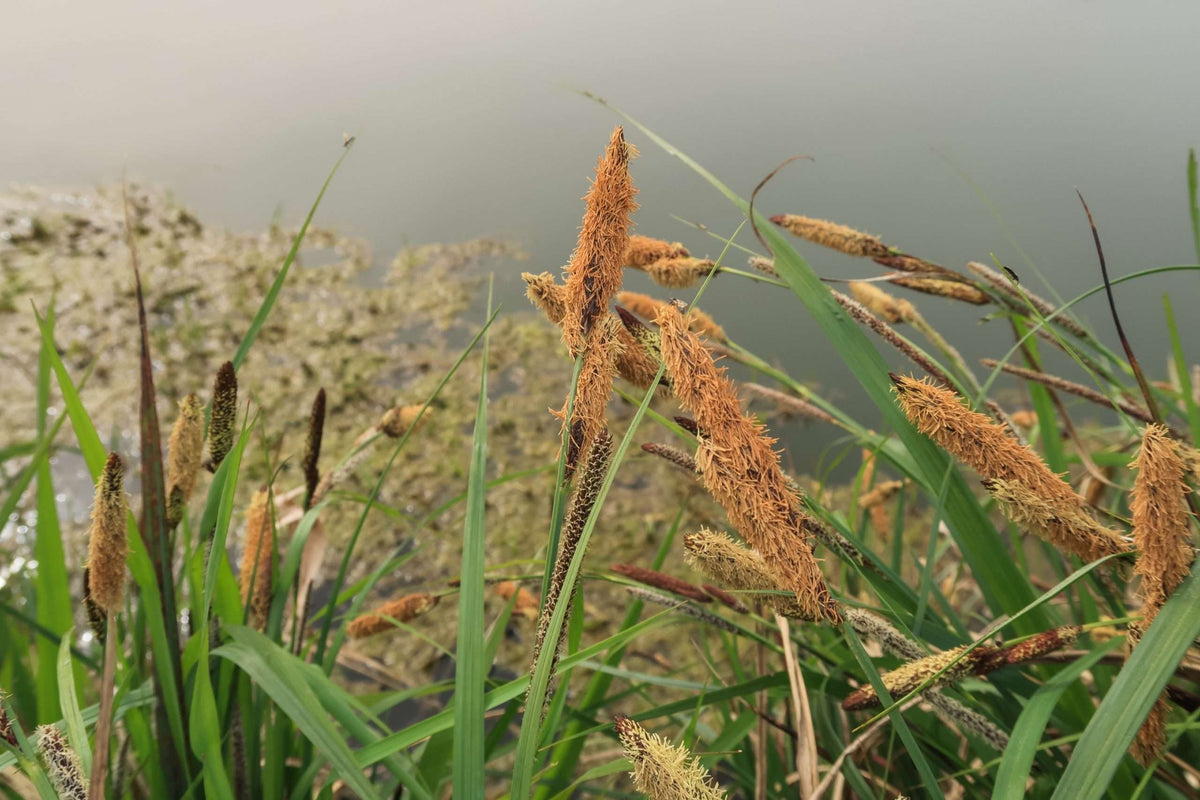
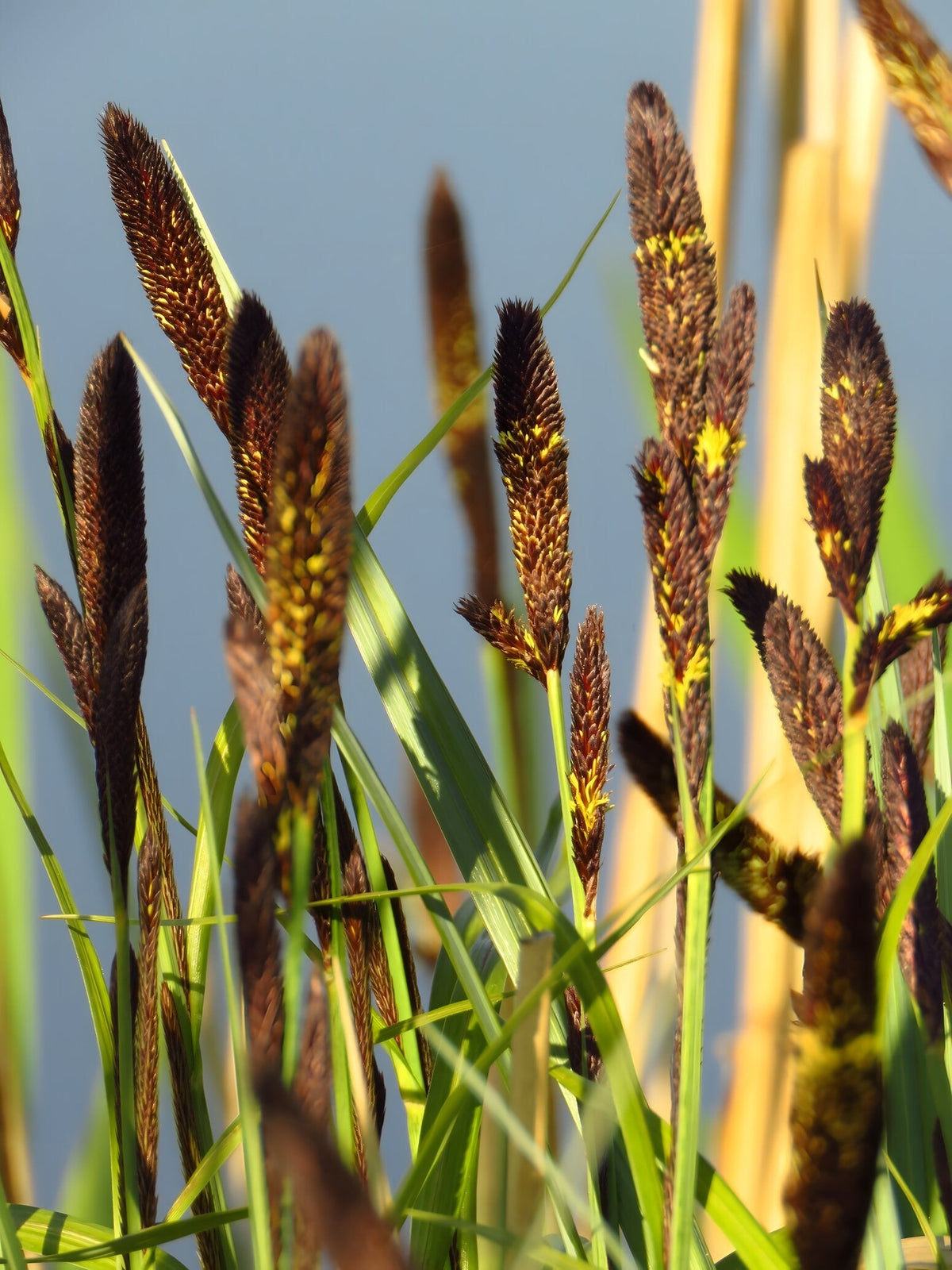
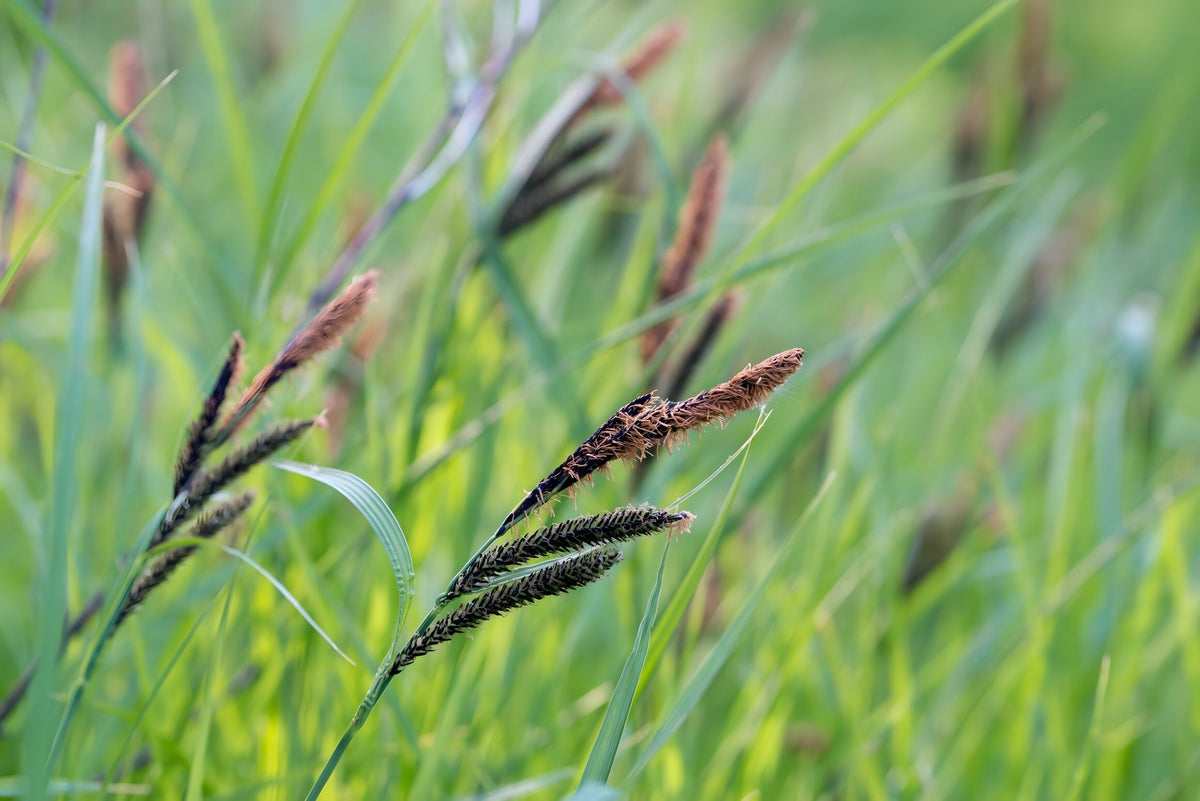
Carex acutiformis, known as lesser pond sedge, is a robust UK native sedge with narrow, blue-green leaves that droop at the tips and sharply three-angled stems. In summer it carries pale brown flower spikes, followed by black seed heads.
Lesser pond sedge at a glance
| Botanical name | Carex acutiformis |
|---|---|
| Common name | Lesser pond sedge |
| Plant type | Clump-forming sedge with creeping roots; dies back in winter |
| Height and spread | About 60 cm–1.5 m tall, 1–1.5 m wide |
| Flowers | Pale brown spikes in summer, followed by black seed heads |
| Position | Full sun or part shade; tolerates shade |
| Soil | Wet, poorly drained clay or loam; any pH |
| Pond depth | 0–15 cm of water, or wet mud |
| Hardiness | RHS H7 – very hardy (below -20°C) |
| Native to | UK (native) |
Is lesser pond sedge suitable for a small pond?
No. It spreads by creeping roots, and the RHS says it is suitable only for large pond areas. In a smaller pond, keep it in a pot or basket to restrict its spread.
Where to plant it
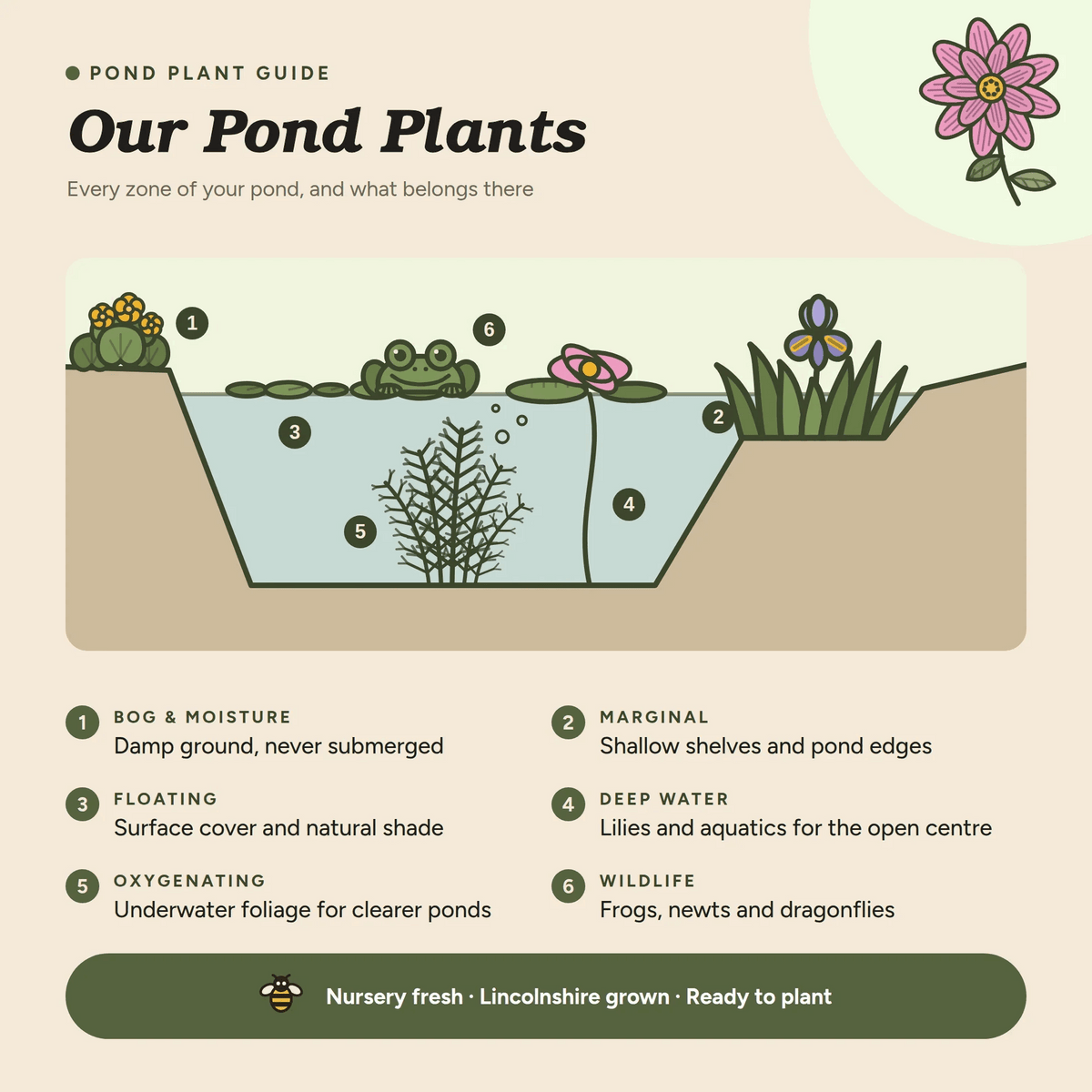
- The margins of large wildlife ponds, up to 15 cm deep
- Wet clay and boggy ground
- Natural banks, where it can spread
How to plant and care for it
Plant from spring to late summer. It is generally free of pests and diseases, though koi and ducks may graze it.
Which size should I buy?
Bare-root plants (7 cm, 9 cm, 1 litre and 3 litre) arrive without a pot or compost and are the most economical way to plant a group. Potted plants (9 cm, 1 litre and 3 litre) arrive growing in our peat-free compost and give a faster display. Packs of 3 come in 7 cm, 9 cm, 1 litre and 3 litre bare-root sizes and cost less per plant. The 2x Pot & Compost option is two plants supplied with pots and compost.