If you have any questions, you are always welcome to contact us. We'll get back to you as soon as possible, within 24 hours on weekdays.
-
Shipping Information
Use this text to answer questions in as much detail as possible for your customers.
-
Customer Support
Use this text to answer questions in as much detail as possible for your customers.
-
FAQ’s
Use this text to answer questions in as much detail as possible for your customers.
-
Contact Us
Use this text to answer questions in as much detail as possible for your customers.
Product specifications and features
Product Description
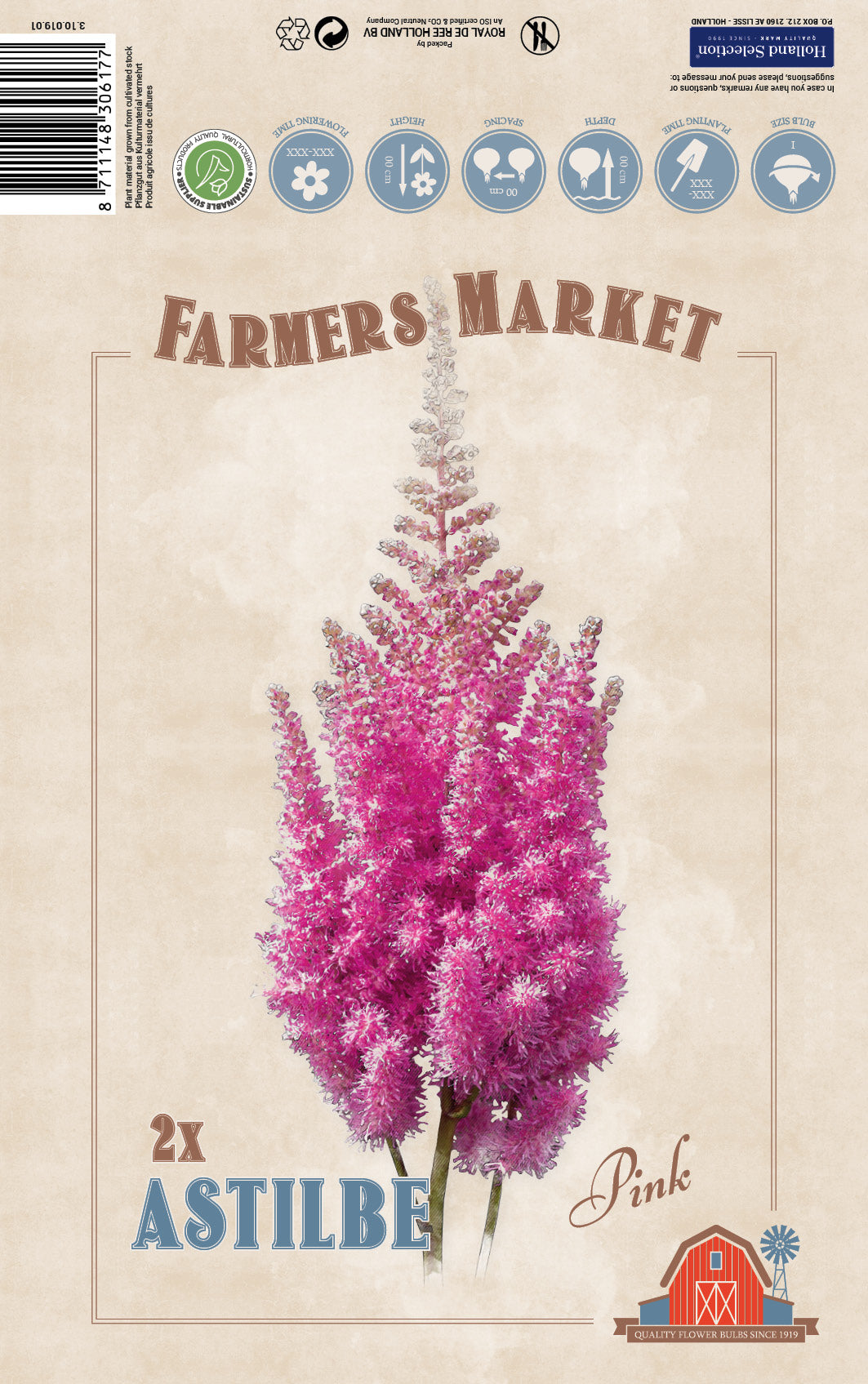
Astilbe Pink (2 Bulbs)
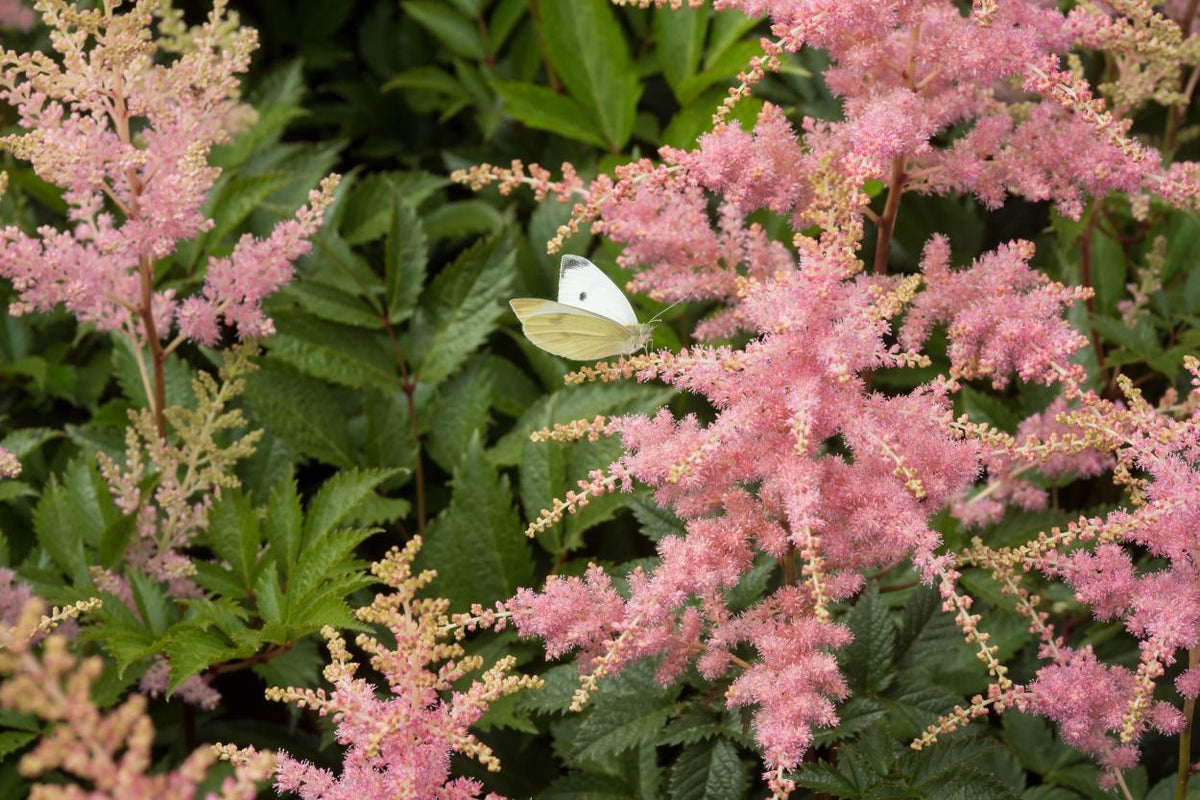
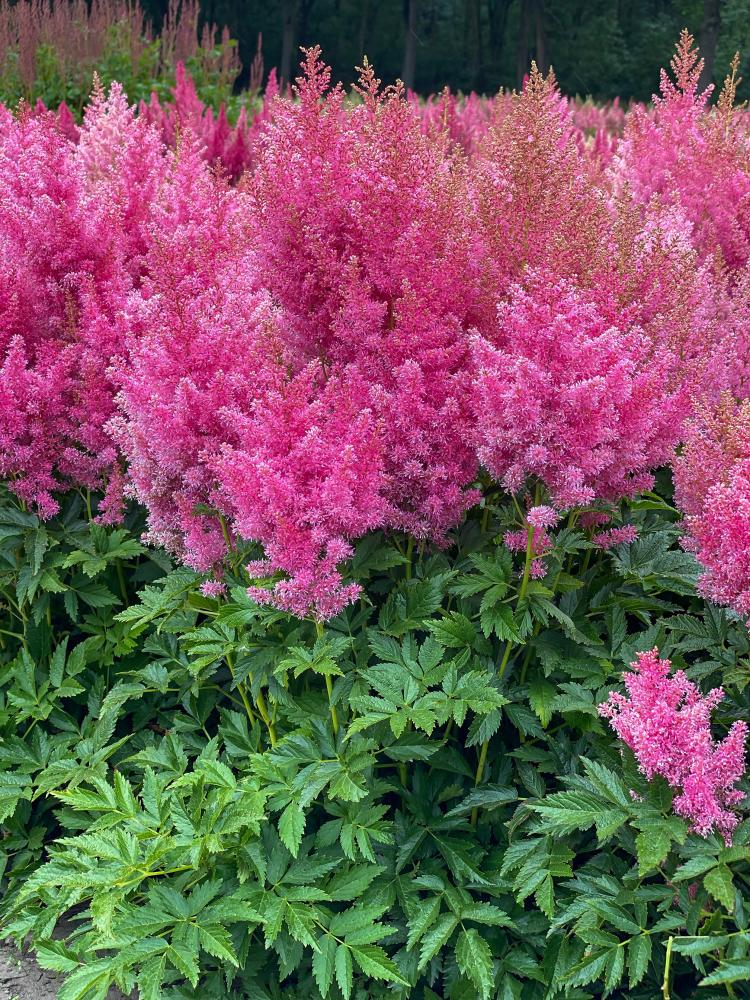
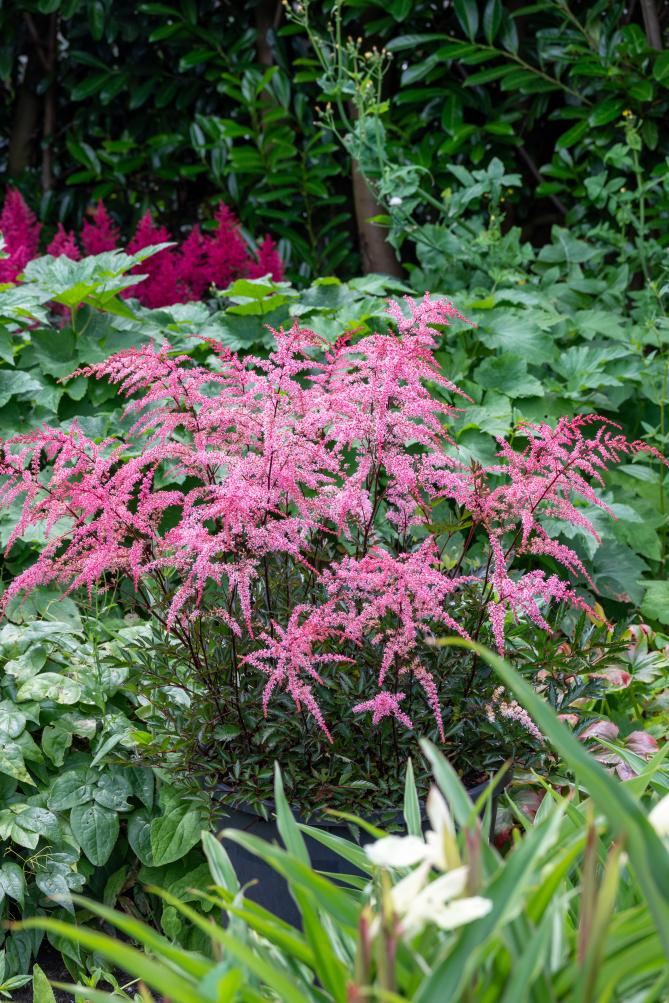
Astilbe Pink Bulbs Astilbe Pink is a delightful perennial known for its feathery plumes of soft pink flowers that add a touch of elegance to shaded garden spots. This hardy plant thrives in moist, well-drained soil and is perfect for adding colour and texture to borders, woodland gardens, and containers. Blooming from early to midsummer, Astilbe Pink brings a lush, fluffy appearance to any garden and looks stunning when planted in groups. Easy to grow and relatively low-maintenance, Astilbe Pink is ideal for UK gardens, providing colour and interest in shaded or partially shaded areas.
The flowers of Astilbe Pink are delicate, fluffy plumes of soft pink, forming dense clusters atop tall, slender stems. Each plume consists of numerous tiny flowers that give a feathery appearance, creating a lovely contrast against the plant’s deep green, fern-like foliage. The pink flowers bloom from early to midsummer, standing 45-60cm tall, making them a lovely choice for softening garden edges and adding texture to shaded borders. The blooms also attract bees and other pollinators, making Astilbe a great choice for wildlife-friendly gardens.
How to Grow
Planting: Plant Astilbe bulbs (or bare roots) in spring or autumn. Choose a partially shaded to fully shaded location with moist, well-drained soil. Astilbe performs best in soil enriched with organic matter, such as compost or well-rotted manure. Plant the bulbs about 5-10cm deep and space them 30-40cm apart for a full, natural look.
Watering: Keep the soil consistently moist, especially in dry periods, as Astilbe thrives in moist conditions. Regular watering is essential, especially when planted in sunnier spots, to prevent the foliage from drying out.
Feeding: Feed Astilbe with a balanced, slow-release fertiliser in early spring to support healthy growth and vibrant blooms. You can also add a layer of compost around the base in spring for extra nutrients.
Mulching: Apply a layer of mulch around the plant in spring to help retain soil moisture and keep the roots cool. This is particularly beneficial in warmer areas or drier conditions.
Maintenance: Remove spent flower plumes after blooming to keep the plant looking tidy, although leaving the faded blooms can add interest in autumn. Cut back any dead foliage in late autumn or early spring to encourage fresh new growth.
Overwintering: Astilbe is fully hardy in the UK and doesn’t require special winter protection. Adding a fresh layer of mulch in late autumn can help protect the roots in colder regions, but it’s generally winter-tough.
With its beautiful pink plumes and shade-loving nature, Astilbe Pink is a fantastic choice for brightening up darker corners of the garden. Its soft, feathery blooms and low-maintenance requirements make it an ideal addition to shaded beds, woodland gardens, and containers, providing lasting beauty and appeal in UK gardens.
Pack contains 2 bulbs
Specs & Details
- Established height
- 45-60cm
- Established spread
- 30-60cm
- Plant spacing
- 9 bulbs per m²
- Flower colour
- Pink
- Life cycle
- Perennial
- Habit
- Clump-forming
Features
-

Perennial (Regrows)
-

Full Hardy


Plant Calendar
Jan
Feb
Mar
Apr
May
Jun
Jul
Aug
Sep
Oct
Nov
Dec
Plant
Harvest
FAQs
Please read our FAQs page to find out more.
Where is the best place to grow Astilbe?
Why are my Astilbe leaves turning brown or crisp?
Why is my Astilbe not flowering well?
Does Astilbe come back every year?
Can I grow Astilbe in pots?
Shop by
Category