
If you have any questions, you are always welcome to contact us. We'll get back to you as soon as possible, within 24 hours on weekdays.
-
Shipping Information
Use this text to answer questions in as much detail as possible for your customers.
-
Customer Support
Use this text to answer questions in as much detail as possible for your customers.
-
FAQ’s
Use this text to answer questions in as much detail as possible for your customers.
-
Contact Us
Use this text to answer questions in as much detail as possible for your customers.
Product specifications and features
Product Description
Asclepias Tuberosa
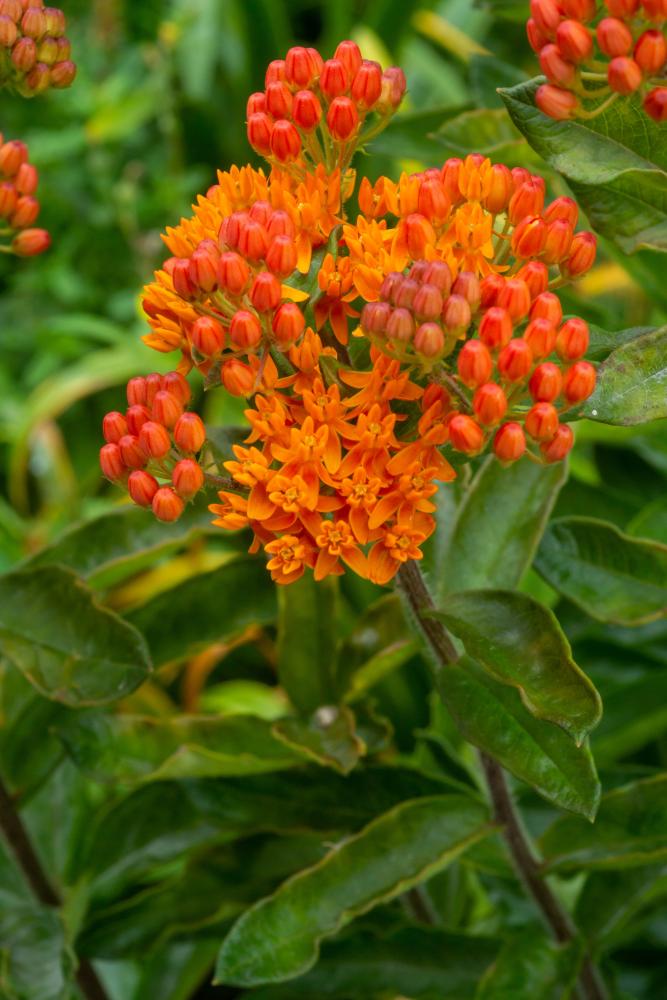
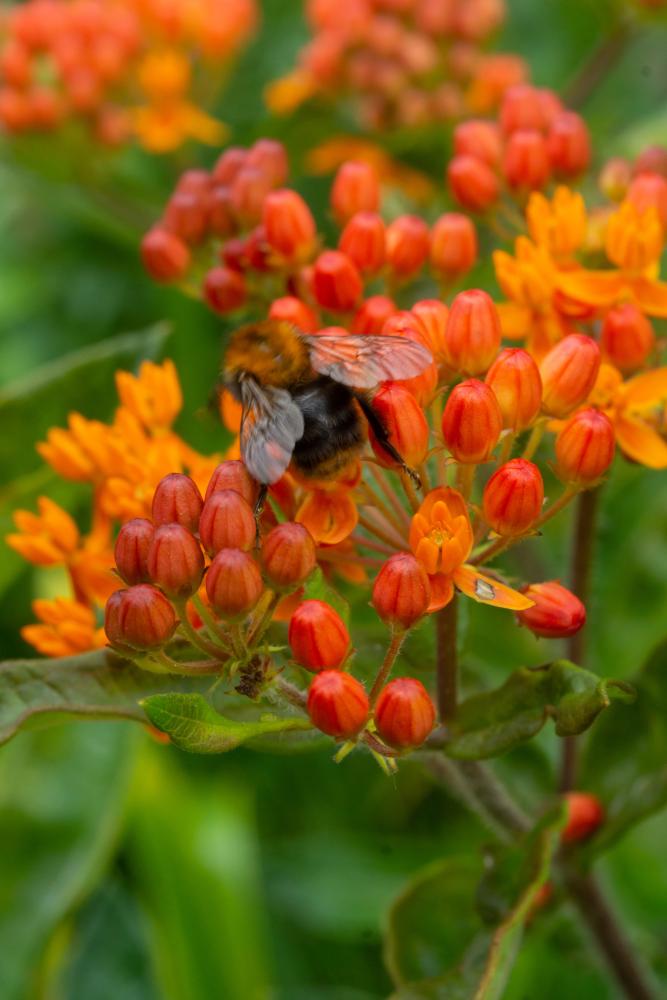
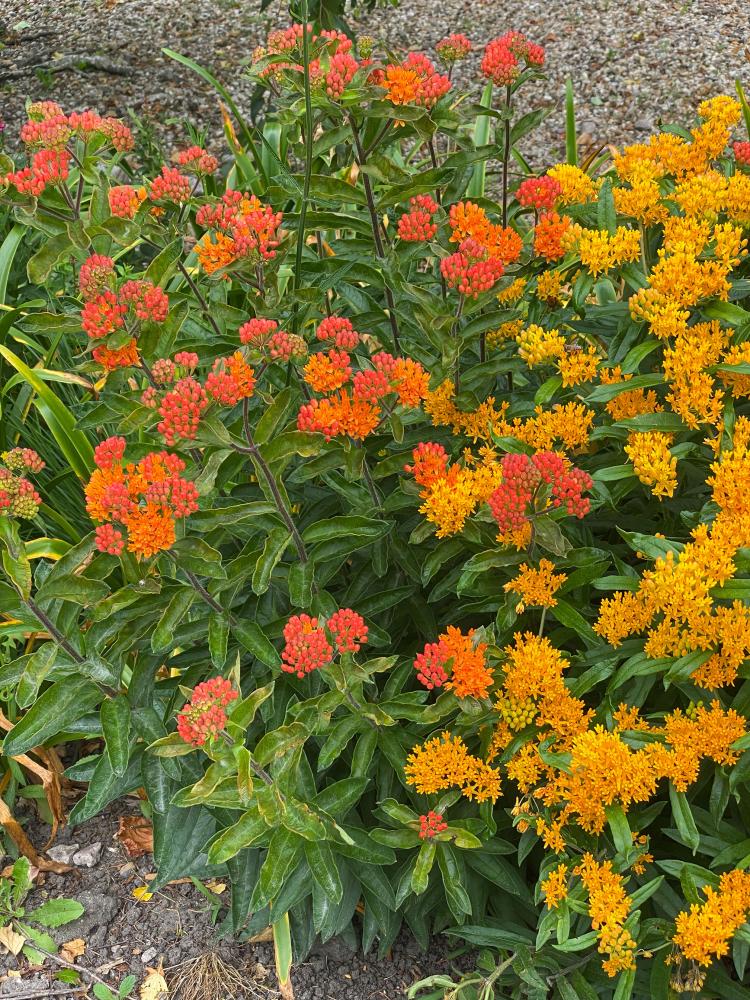
Asclepias Tuberosa Bulbs Asclepias tuberosa, commonly known as Butterfly Weed, is a hardy perennial loved for its clusters of vibrant orange flowers that attract a host of pollinators, especially butterflies. This striking plant brings a touch of wildflower charm to gardens and is perfect for borders, wildlife-friendly areas, and naturalised planting schemes. Easy to care for and drought-tolerant once established, Asclepias tuberosa is an excellent choice for UK gardeners looking to support local wildlife while adding bold colour to their outdoor space.
The flowers of Asclepias tuberosa are bright orange and form in dense, rounded clusters at the tops of the stems. Each individual bloom is a small, star-shaped flower with a waxy texture, creating a showy and eye-catching display that lasts from early summer to early autumn. The vibrant orange colour stands out against the plant’s slender green foliage and makes a beautiful contrast in any planting scheme. These blooms are highly attractive to bees, butterflies, and other pollinators, providing a valuable food source throughout the season.
How to Grow
Planting: Plant Asclepias tuberosa bulbs in spring after the last frost, as they require warm soil to grow well. Choose a sunny, well-drained location, as this plant thrives in full sun and prefers sandy or loamy soil. Plant the bulbs about 5-8cm deep and space them 30-40cm apart to allow for their bushy growth.
Watering: Water the bulbs well after planting to help them establish. Once established, Asclepias tuberosa is drought-tolerant and requires minimal watering, making it a low-maintenance option. During prolonged dry spells, occasional watering will encourage healthier growth.
Feeding: Asclepias tuberosa doesn’t require heavy feeding. An application of a balanced fertiliser in spring will provide any necessary nutrients, especially if the soil is poor. Avoid over-fertilising, as too much nitrogen can reduce flowering.
Maintenance: This plant is low-maintenance once established. Deadhead spent blooms to encourage further flowering and prevent unwanted self-seeding. However, leaving some seed pods on the plant can provide interest in the autumn and food for birds.
Overwintering: Asclepias tuberosa is hardy in the UK and generally doesn’t require special winter protection. In colder areas, adding a layer of mulch around the base of the plant in late autumn can help insulate the roots, but the plant usually survives winter conditions without additional care.
Attracting Wildlife: Asclepias tuberosa is an essential plant for attracting butterflies and other pollinators. It’s particularly important for Monarch butterflies, as the plant serves as both a nectar source and a host plant for caterpillars.
With its striking orange flowers, low-maintenance care requirements, and ability to attract butterflies and other pollinators, Asclepias tuberosa is a valuable addition to UK gardens. Perfect for wildlife-friendly plantings and naturalised garden areas, this plant brings colour, ecological benefits, and lasting interest throughout the growing season.
Pack contains 3 bulbs
Specs & Details
- Established height
- 60-90cm
- Established spread
- 30-45cm
- Plant spacing
- 5 bulbs per m²
- Flower colour
- Orange
- Life cycle
- Perennial
- Habit
- Clump-forming
Features
-

Perennial (Regrows)
-

Thrives Full Sun
-

Full Hardy


Plant Calendar
Jan
Feb
Mar
Apr
May
Jun
Jul
Aug
Sep
Oct
Nov
Dec
Plant
Harvest
FAQs
Please read our FAQs page to find out more.
Why has my Asclepias not appeared in spring?
Why is my Asclepias not flowering?
Are Asclepias plants good for butterflies and pollinators?
Does Asclepias come back every year?
Is the milky sap from Asclepias normal?
Shop by
Category