



If you have any questions, you are always welcome to contact us. We'll get back to you as soon as possible, within 24 hours on weekdays.
-
Shipping Information
Use this text to answer questions in as much detail as possible for your customers.
-
Customer Support
Use this text to answer questions in as much detail as possible for your customers.
-
FAQ’s
Use this text to answer questions in as much detail as possible for your customers.
-
Contact Us
Use this text to answer questions in as much detail as possible for your customers.
Product specifications and features
Product Description
Anemone De Caen (40 Bulbs)
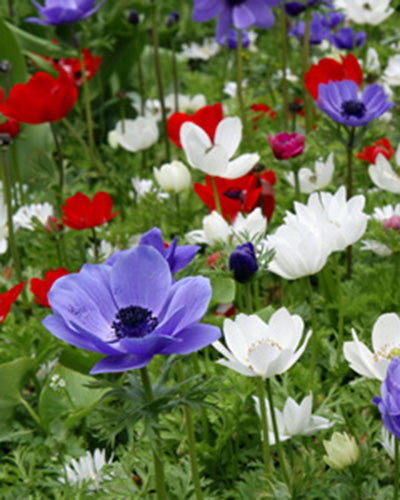
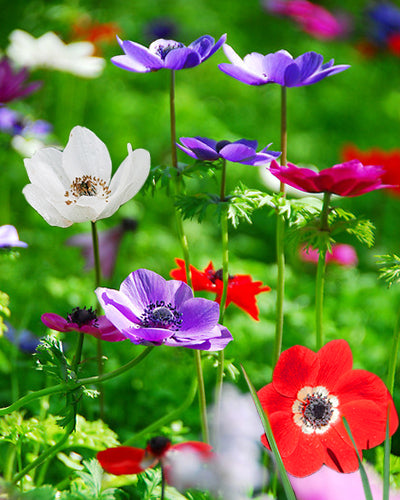
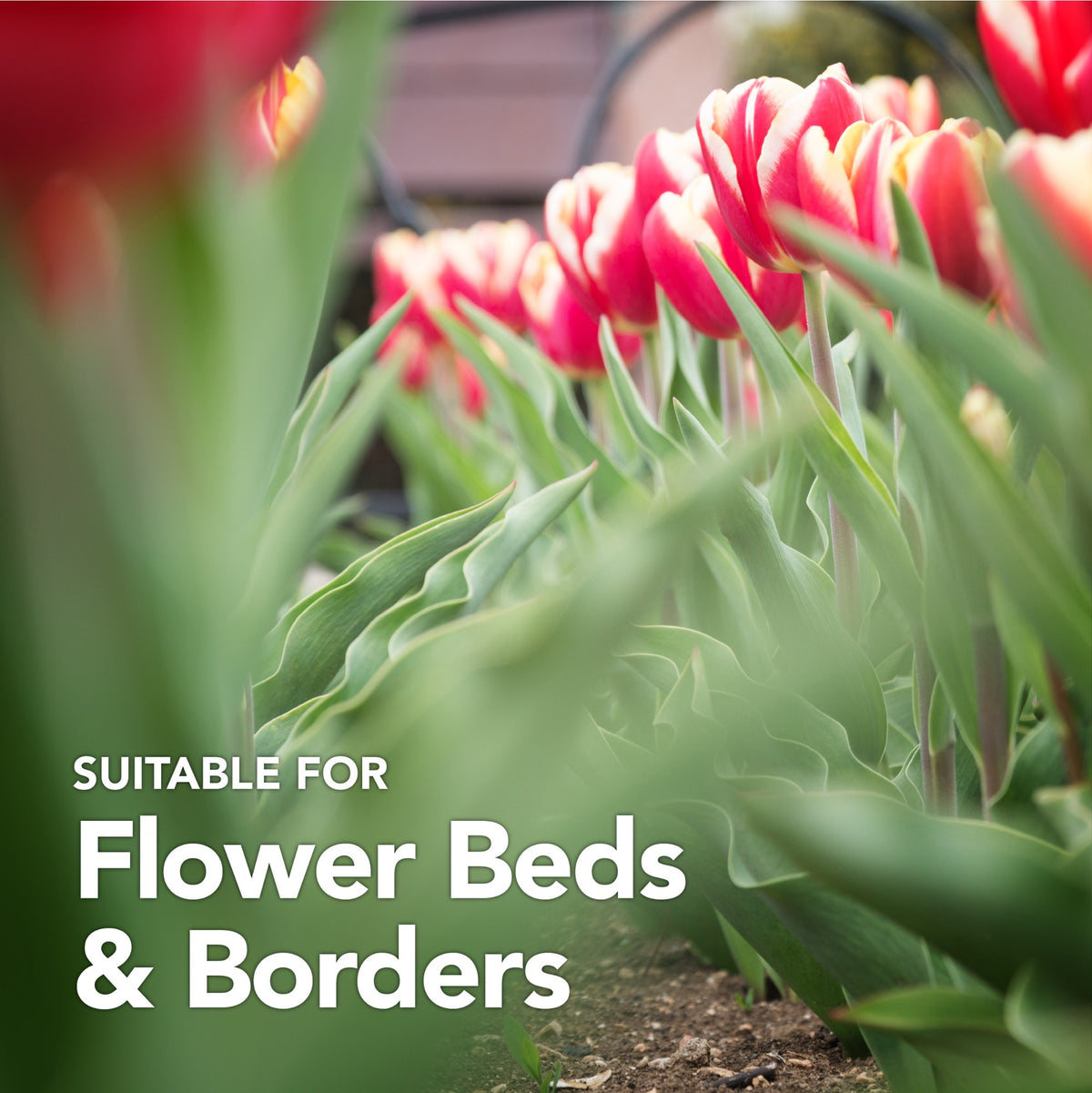
Jamieson Brothers Anemone de Caen 40 bulbs, also known simply as "Caen Anemones," are a delightful addition to any garden. These bulbs produce charming, daisy-like flowers that burst forth with vibrant colors in the spring, adding a touch of elegance and beauty to your outdoor space. Anemone de Caen bulbs are known for their exquisite, cup-shaped flowers that come in an array of captivating hues, including rich purples, radiant blues, cheerful pinks, and pristine whites. Their vibrant petals surround a contrasting central button, creating a striking and eye-catching display. These bulbs typically bloom in the late spring or early summer, bringing a burst of color to your garden when many other plants are just awakening from winter dormancy. Anemone de Caen plants are relatively compact, growing to a height of around 6-12 inches (15-30 cm). Planting: To enjoy their exquisite blooms, plant Anemone de Caen bulbs in the autumn, ideally in well-drained soil enriched with organic matter. These bulbs prefer partial to full sunlight and are often best suited for flower beds, borders, or containers.
Specs & Details
- Established height
- 20-30cm
- Established spread
- 5-10cm
- Plant spacing
- 100 bulbs per m²
- Life cycle
- Perennial
- Habit
- Upright
Features
-

Perfect for Pots
-

Perennial (Regrows)
-

Thrives Full Sun
-

Full Hardy


Plant Calendar
Jan
Feb
Mar
Apr
May
Jun
Jul
Aug
Sep
Oct
Nov
Dec
Plant
Harvest
FAQs
Please read our FAQs page to find out more.
Why do anemone bulbs look dry, hard and shrivelled when they arrive?
Why have my anemone corms not grown?
Can I plant anemone bulbs in autumn or spring?
Do anemone bulbs come back every year?
Will my anemone flowers look like the photographs?
Shop by
Category