

If you have any questions, you are always welcome to contact us. We'll get back to you as soon as possible, within 24 hours on weekdays.
-
Shipping Information
Use this text to answer questions in as much detail as possible for your customers.
-
Customer Support
Use this text to answer questions in as much detail as possible for your customers.
-
FAQ’s
Use this text to answer questions in as much detail as possible for your customers.
-
Contact Us
Use this text to answer questions in as much detail as possible for your customers.
Product specifications and features
Product Description
Agapanthus Blue (1 Bulb)
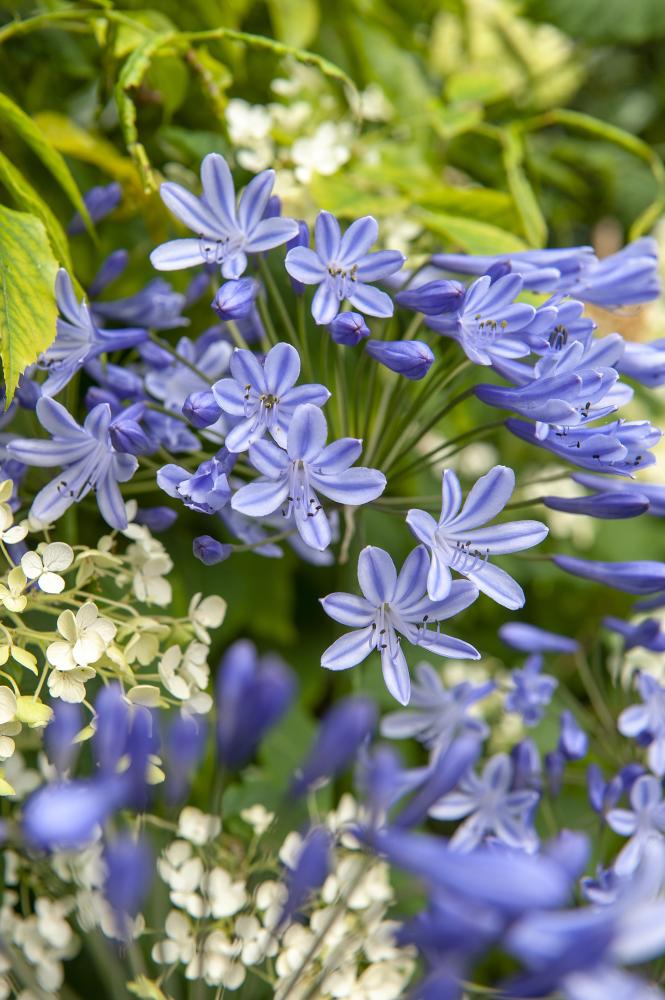
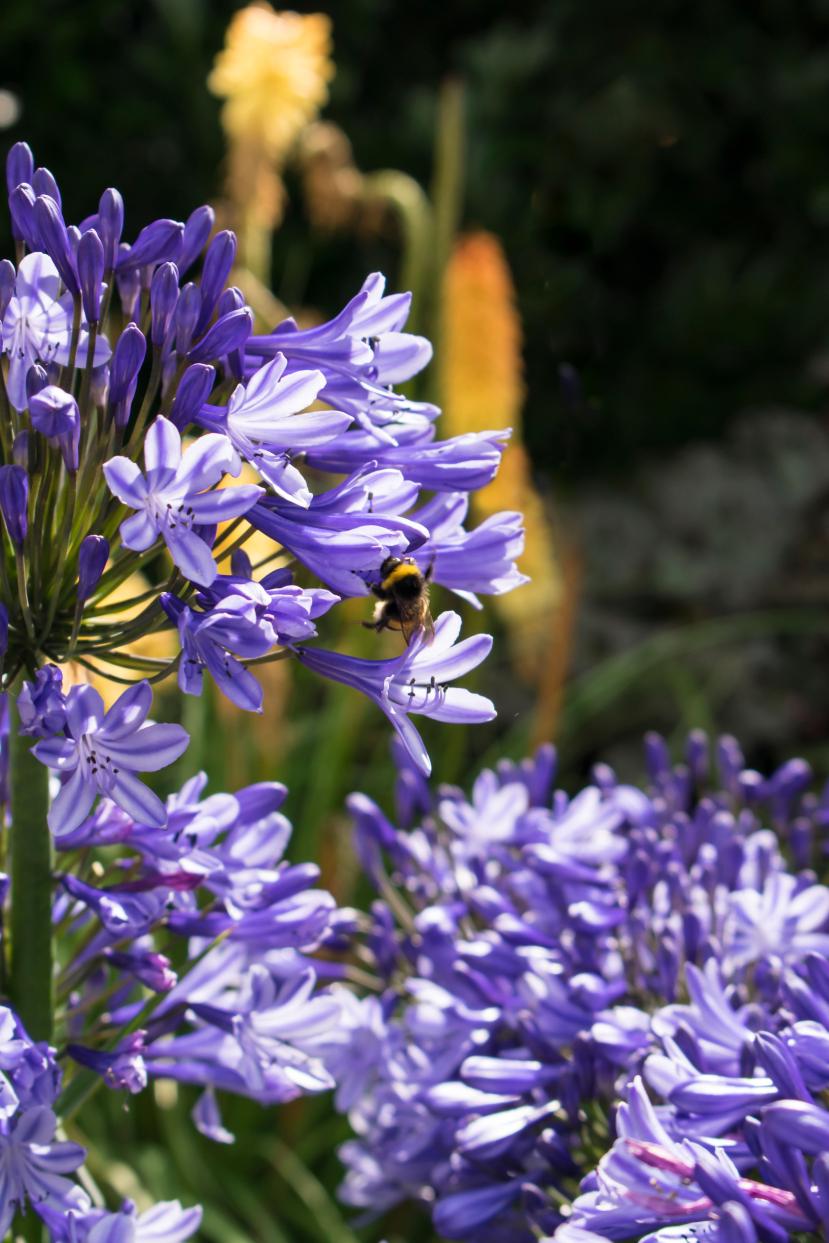
Agapanthus 'Blue' Bulb Agapanthus Blue, also known as the African Lily, is a stunning perennial that brings a touch of Mediterranean charm to any garden. Known for its tall, elegant stems topped with clusters of vivid blue flowers, this Agapanthus variety adds height, colour, and structure to borders, beds, and containers. Blooming from mid-summer to early autumn, Agapanthus Blue is easy to grow and thrives in sunny spots, making it a fantastic choice for UK gardens. Its striking blue blooms are also perfect for cut flower arrangements, bringing a splash of colour indoors.
The blooms of Agapanthus Blue are a rich, deep blue, with clusters of trumpet-shaped flowers forming rounded heads that sit atop slender stems reaching heights of up to 90cm. Each flower head contains dozens of delicate blue blooms, creating a dramatic and eye-catching display that attracts bees and other pollinators. The lush green, strap-like leaves at the base add texture and contrast to the garden, providing a beautiful backdrop for the vivid blue flowers.
How to Grow
Planting: Plant Agapanthus bulbs in spring or autumn. Choose a sunny, sheltered location with well-drained soil, as Agapanthus thrives in full sun and prefers light, fertile soil. Plant the bulbs around 5-10cm deep and space them about 20-30cm apart. For container planting, use a loam-based compost with added grit for drainage.
Watering: Water the bulbs well after planting to help them establish. During the growing season, keep the soil consistently moist, especially in hot, dry weather. However, avoid waterlogging as Agapanthus prefers well-drained conditions.
Feeding: Feed Agapanthus with a balanced liquid fertiliser every two weeks during the growing season, starting in spring and continuing until the blooms fade. This will encourage healthy growth and abundant flowering.
Staking: In windy areas, taller Agapanthus plants may benefit from light staking to keep the stems upright and prevent damage, especially when they are in full bloom.
Deadheading and Maintenance: Remove spent flower heads to encourage a tidier appearance and to redirect energy back to the bulb. Allow the foliage to die back naturally after flowering, as this helps the plant store energy for the next season.
Overwintering: Agapanthus is generally hardy in the UK, but in colder areas, protect the plants in winter by adding a layer of mulch around the base. For container-grown Agapanthus, move pots to a frost-free location or cover them to prevent freezing.
With its tall, elegant stems and vibrant blue flowers, Agapanthus Blue brings a touch of exotic beauty to gardens, creating a spectacular display from summer through early autumn. Easy to care for and perfect for both borders and containers, this plant adds a striking focal point and is an ideal choice for cut flowers, bringing garden charm indoors.
Pack contains 1 bulb
Specs & Details
- Established height
- 60-100cm
- Established spread
- 30-60cm
- Plant spacing
- 9 bulbs per m²
- Flower colour
- Blue
- Life cycle
- Perennial
- Habit
- Clump-forming
Features
-

Perennial (Regrows)
-

Thrives Full Sun


Plant Calendar
Jan
Feb
Mar
Apr
May
Jun
Jul
Aug
Sep
Oct
Nov
Dec
Plant
Harvest
FAQs
Please read our FAQs page to find out more.
Why has my agapanthus not flowered?
Can agapanthus survive winter in the UK?
Can I grow agapanthus in pots and containers?
Why are my agapanthus leaves turning yellow or brown?
Do agapanthus spread, and when should I divide them?
Shop by
Category