

If you have any questions, you are always welcome to contact us. We'll get back to you as soon as possible, within 24 hours on weekdays.
-
Shipping Information
Use this text to answer questions in as much detail as possible for your customers.
-
Customer Support
Use this text to answer questions in as much detail as possible for your customers.
-
FAQ’s
Use this text to answer questions in as much detail as possible for your customers.
-
Contact Us
Use this text to answer questions in as much detail as possible for your customers.
Product specifications and features
Product Description
Acidanthera
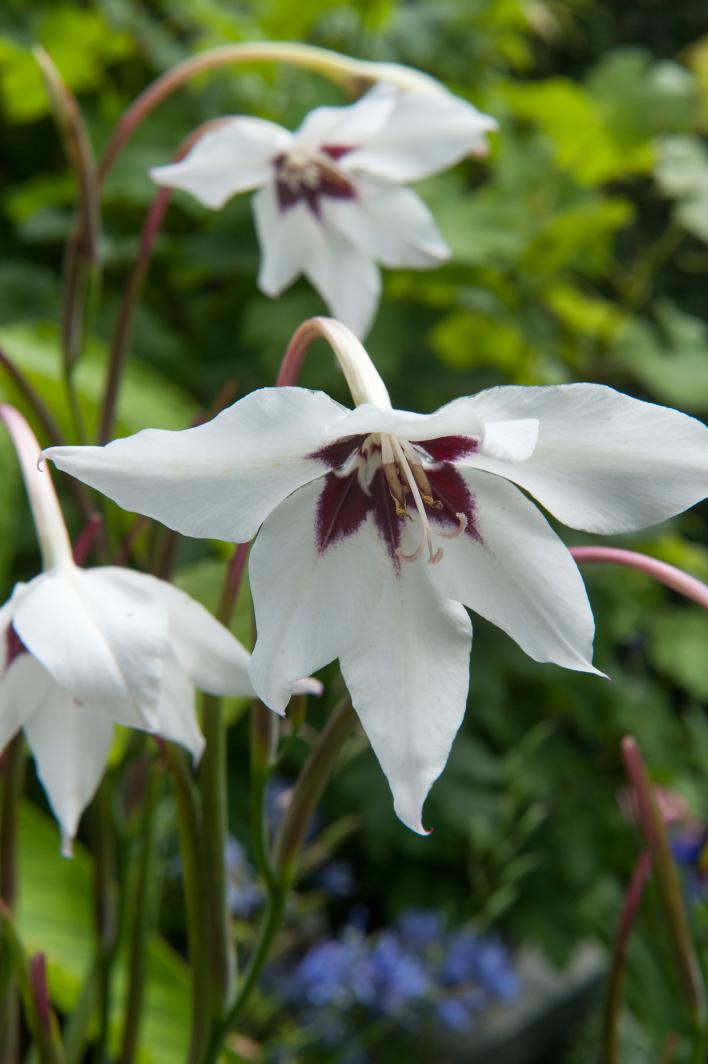
Acidanthera Bulbs Acidanthera, also known as Abyssinian Gladiolus or Peacock Orchid, is a beautiful and fragrant addition to any summer garden. With its elegant, star-shaped white blooms and delicate, sweet scent, Acidanthera adds a touch of grace and charm to borders, beds, and containers. Blooming from late summer into early autumn, these exotic-looking flowers are perfect for adding height and structure to your garden, as well as for creating stunning cut flower arrangements. Hardy and relatively easy to grow, Acidanthera bulbs thrive in sunny, sheltered spots, bringing a fresh, tropical feel to UK gardens.
The flowers of Acidanthera are strikingly beautiful, with pure white, star-shaped blooms that feature a contrasting deep maroon or purple centre. Each slender, graceful stem can reach heights of up to 90cm and bears several fragrant flowers that open sequentially, providing a prolonged display. The petals are slightly flared, giving the flowers a delicate and exotic appearance, while their sweet fragrance adds a delightful sensory element to the garden.
How to Grow
Planting: Plant Acidanthera bulbs in late spring, once the risk of frost has passed. Choose a sunny, sheltered spot with well-drained soil, as these plants do best in full sun. Plant the bulbs around 10-15cm deep and space them about 10-15cm apart. Group them in clusters for a more impactful display.
Watering: Water the bulbs thoroughly after planting to help them establish. During the growing season, keep the soil evenly moist but avoid waterlogging, as Acidanthera prefers well-drained conditions. Water consistently, especially during dry spells, to encourage strong growth and flowering.
Feeding: Apply a balanced liquid fertiliser every two weeks during the growing season to support healthy foliage and vibrant blooms. Begin feeding once the shoots start to appear, and stop when the flowers begin to fade.
Staking: Due to their tall, slender stems, Acidanthera plants may require light staking in windy areas. Use slim stakes or plant supports to keep them upright and prevent bending or breaking, especially when in bloom.
Deadheading and Maintenance: Remove spent flowers to keep the plant looking tidy and to encourage energy to return to the bulbs. Once the flowering season is over, allow the foliage to die back naturally, as this helps the bulbs store energy for next year.
Overwintering: Acidanthera is not fully hardy in colder regions of the UK. In mild areas, you may be able to leave the bulbs in the ground with a protective layer of mulch. In colder areas, lift the bulbs in autumn after the foliage has died back, allow them to dry, and store them in a cool, frost-free place until replanting in spring.
With its fragrant, exotic-looking blooms and elegant appearance, Acidanthera brings a unique charm to summer gardens, enhancing borders and floral displays with grace and beauty. This beautiful addition to any garden thrives with minimal care, offering blooms that are perfect for both garden enjoyment and fresh-cut arrangements.
Pack contains 20 bulbs
Specs & Details
- Established height
- 75-100cm
- Established spread
- 5-10cm
- Plant spacing
- 100 bulbs per m²
- Flower colour
- White
- Life cycle
- Annual
- Habit
- Upright
Features
-

Perfect for Pots
-

Fragrant Plant
-

Thrives Full Sun


Plant Calendar
Jan
Feb
Mar
Apr
May
Jun
Jul
Aug
Sep
Oct
Nov
Dec
Plant
Harvest
FAQs
Please read our FAQs page to find out more.
Can I plant Acidanthera bulbs now in the UK?
Why have my Acidanthera bulbs not grown or flowered?
Are Acidanthera flowers fragrant, and when do they bloom?
Are dry or small Acidanthera bulbs still okay to plant?
Can Acidanthera bulbs stay in the ground over winter?
Shop by
Category