
If you have any questions, you are always welcome to contact us. We'll get back to you as soon as possible, within 24 hours on weekdays.
-
Shipping Information
Use this text to answer questions in as much detail as possible for your customers.
-
Customer Support
Use this text to answer questions in as much detail as possible for your customers.
-
FAQ’s
Use this text to answer questions in as much detail as possible for your customers.
-
Contact Us
Use this text to answer questions in as much detail as possible for your customers.
Product specifications and features
Product Description
Fritillaria Persica
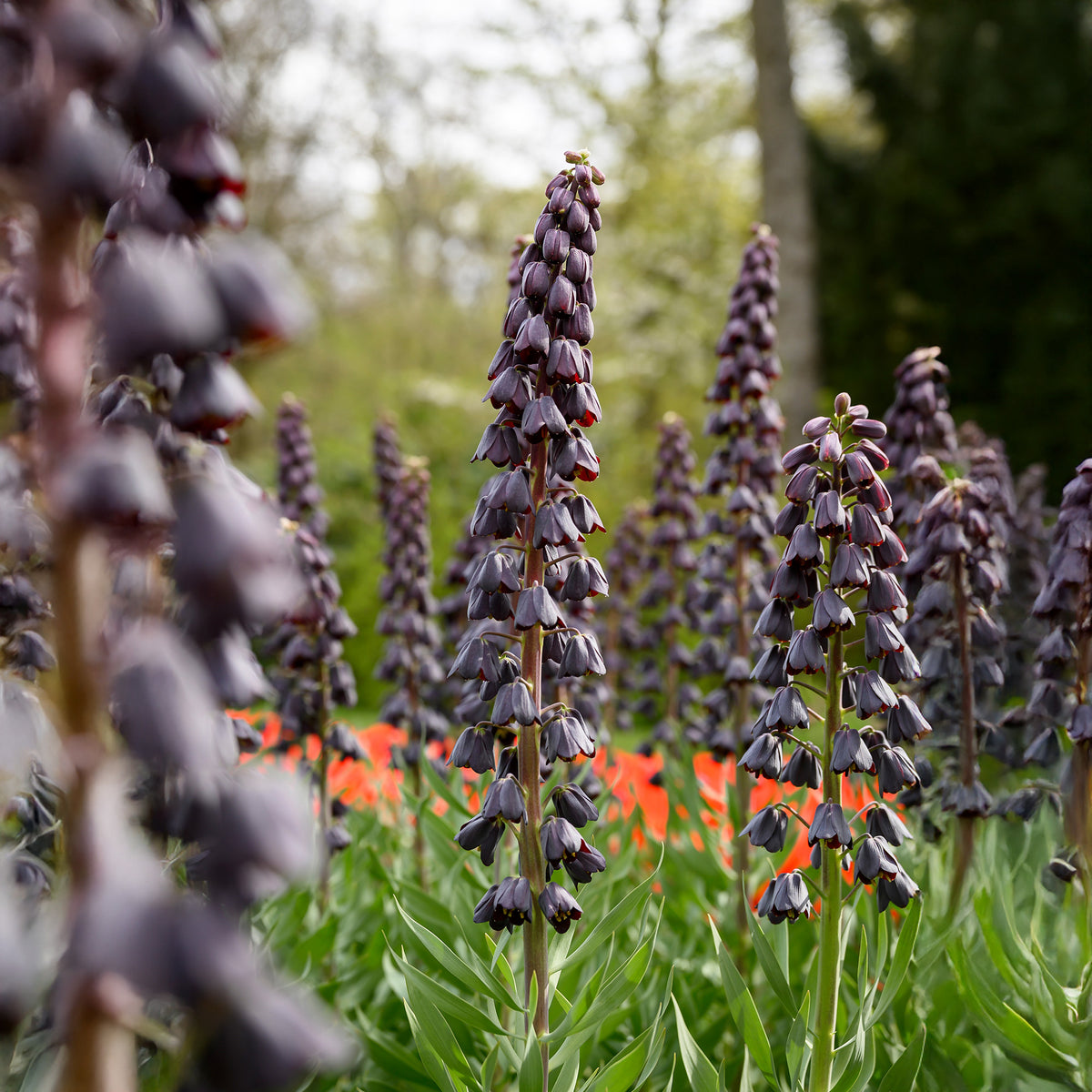
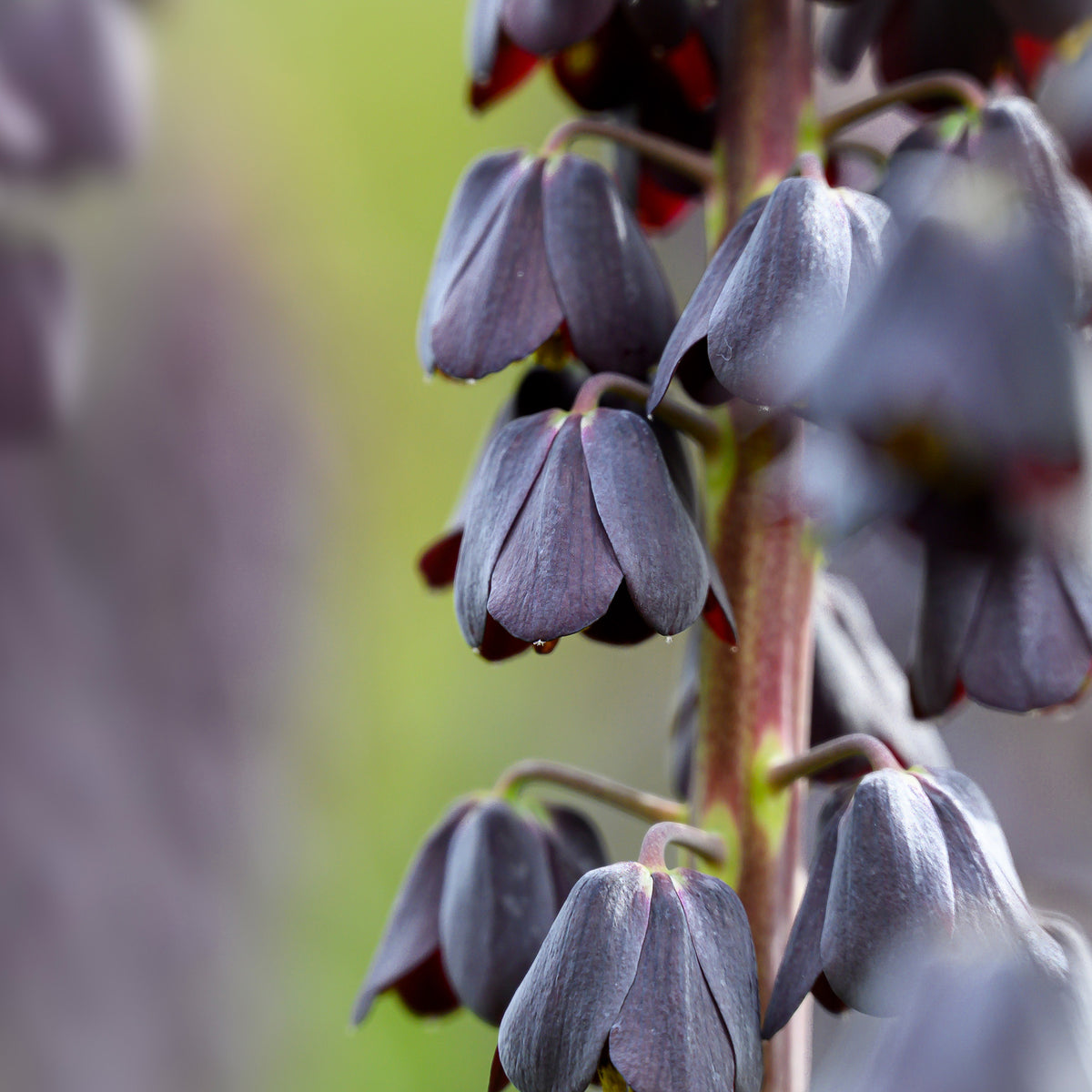
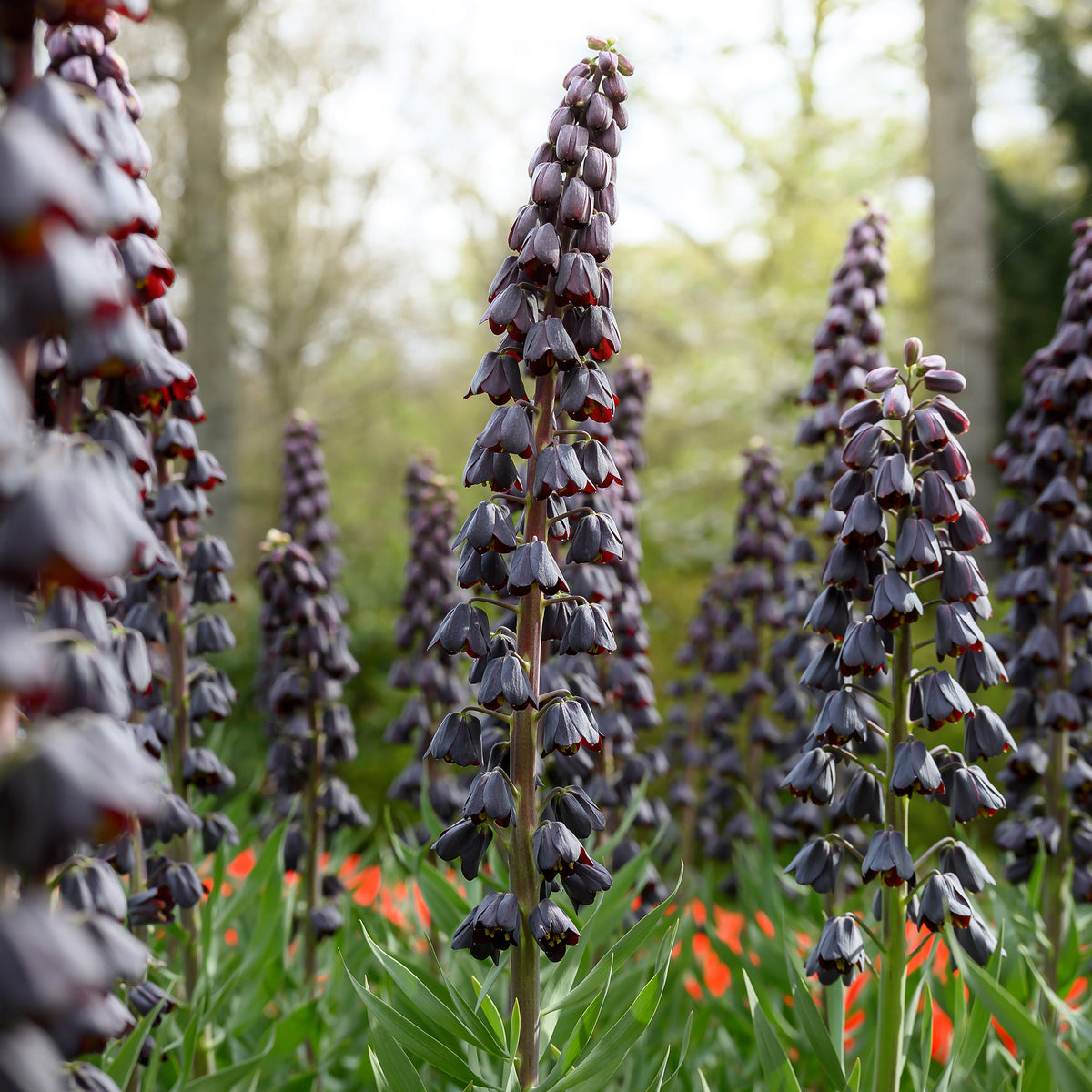
Fritallaria persicaFritillaria persica, also known as the Persian lily, is a bold and architectural spring-flowering bulb. It features tall spires of bell-shaped flowers in rich shades of deep purple to maroon, occasionally with a subtle checkerboard pattern. Ideal for adding height and drama to borders, it pairs beautifully with lighter spring bulbs.
Planting Instructions:
When to plant: Autumn (September–November)Where to plant: Full sun in fertile, well-drained soilHow to plant: Plant bulbs 15–20cm deep and 20–30cm apart, ideally at a slight angle to prevent water sitting in the crownAftercare: Water during dry spells in spring. Allow foliage to die back naturally. Mulch in colder areas if needed.
Pack contains: 1 bulb, bulb size 18/20
CAUTION: Ornamental bulbs are not edible and can be a skin irritant.
Specs & Details
- Established height
- 20-30cm
- Established spread
- 20-30cm
- Plant spacing
- 16 bulbs per m²
- Flower colour
- Purple
- Life cycle
- Perennial
- Habit
- Upright
Features
-

Perfect for Pots
-

Perennial (Regrows)
-

Thrives Full Sun
-

Full Hardy


Plant Calendar
Jan
Feb
Mar
Apr
May
Jun
Jul
Aug
Sep
Oct
Nov
Dec
Plant
Harvest
FAQs
Please read our FAQs page to find out more.
Why do some Fritillaria bulbs smell unpleasant?
Where is the best place to plant Fritillaria bulbs?
Why have my Fritillaria bulbs not flowered?
How deep should I plant Fritillaria bulbs?
Do Fritillaria bulbs come back every year?
Shop by
Category